What “no equipment” really means
An equipment-free start requires no objects: humming or a brief attention practice are examples. Starting without an additional purchase is different: paper crafts, reading, games and kitchen activities depend on supplies, ingredients or equipment you already have or can borrow. Digital versions depend on access to a suitable device and any required software or connection. Choose according to what is available to you today; no additional purchase does not mean no setup or no ongoing cost.
Using available materials removes the need to wait for a purchase and makes an immediate trial possible when you have suitable time and space. A first session is a chance to find out whether you enjoy the activity, without promising that a habit will form.
Equipment-free starts and activities using available supplies
- Body and movement: requirements for yoga, tai chi and other movement practices depend on the routine, your familiarity with it and the space available. Consider whether a seated option suits your circumstances; it requires suitable seating. Request separate research into appropriate movement precautions and beginner instruction before treating a particular routine as an equipment-free recommendation.
- Voice: singing, humming and vocal play can begin without objects if you choose an activity that does not require accompaniment or a recording. Consider shared-space noise and whether you have somewhere suitable to practise. Request separate research into appropriate vocal precautions before adding technique or duration advice framed as safe.
- Hands and paper: a simple origami fold needs suitable paper and instructions you already know or can access. Drawing and urban sketching need paper and a pencil or pen; urban sketching also needs access to a suitable location. Collage needs materials to arrange and, if you want to attach them, a suitable adhesive. Basic lettering practice can use an existing pen and paper, while particular calligraphy styles may require other tools. These are no-additional-purchase starts only when the necessary supplies are available.
- Mind and page: reading and language study need a suitable book or accessible digital material. Journaling and creative writing need paper and a writing tool, or an available device. Crosswords and sudoku need a puzzle and a way to enter answers, plus familiarity with its instructions. Borrowing or digital access may make a trial possible without buying materials, depending on what is available to you.
- Games and tricks: chess needs a chessboard and pieces, while go needs its own board and stones; for a game, you also need an opponent and access to the rules. A digital version instead requires a suitable device and access to that game. Cardistry needs a deck and instructions for the move you choose. Magic tricks have trick-specific requirements, so select one whose props and instructions you already have. A deck does not cover every game or trick, and borrowing helps only if the appropriate equipment is available.
- Quiet attention: a brief attention practice can require no objects. Choose a position and setting that suit you; an available chair is an option rather than a requirement, and recorded guidance requires digital access.
- Outdoor possibilities: geocaching, letterboxing, seashell collecting, flower pressing and seed saving should not be assumed to be equipment-free. Access to a suitable location is a starting consideration, and collecting does not itself supply everything an activity may need. Request separate research into the starting requirements for geocaching, letterboxing, flower pressing and seed saving, and into location-specific collecting permissions and environmental restrictions before recommending a collecting trip.
- Kitchen activities: choose a recipe only if you already have its required ingredients, utensils, preparation space and any cooking equipment. Ingredients are consumable, so using what is on hand does not mean there is no ongoing cost. Request separate research into pasta-making requirements and appropriate food preparation safety before presenting it as a beginner option; flour, water and a bowl should not be assumed to cover the whole process.
When gear does start to matter
Distinguish required items from optional upgrades. Paper for folding and the correct board and pieces for a physical game are starting requirements; better paper or a preferred notebook may be later choices. Try an activity with suitable supplies already available to you, and consider optional purchases after you know whether you want to continue. Replacement supplies, ingredients and any digital service charges can create ongoing costs.
If a hobby needs equipment for the first session, it is a supplies-based start even when you can borrow everything. A library, loan or taster session may help you try it before buying, depending on availability, access and any fees. Check those requirements before planning to start today.
Make the first session happen today
Choose a small, optional trial that fits your available materials, time and space. For journaling, use paper and a pen or an available device to write a few sentences; allow perhaps five minutes, with a small writing surface if needed and little noise. No journaling experience is required. For reading, use an available book and try a paragraph or page for perhaps five minutes; choose somewhere you can read comfortably without disturbing others, and text you can follow. For a simple paper fold, use an available sheet and familiar or accessible instructions; allow perhaps five minutes at a small surface, with little noise and no prior folding practice if the instructions are for beginners. These session lengths are suggestions, not completion targets. A brief humming session is another option when the setting suits vocal sound. You can stop without finishing a page, model or puzzle.
Choose a reminder that matches the activity: leave an available book where you plan to read, or keep existing paper and a pen ready for journaling. For an activity requiring no objects, link the trial to a moment in your routine instead of adding an accessory. Before repeating it, check that you still have the supplies, access and suitable space it requires.
59 guides
Hobbies in this article
 Audio Drama Production
A key turns in a lock. Someone inside whispers, “You kept it?” With one sound and three words, a listener can picture a reunion or a break-in. Try performing the line both ways and hear how the story changes.
- Difficulty
- 3 out of 5
- Cost
- 1 out of 5
- Space
- 1 out of 5
- Social
- 3 out of 5
 Audiobook Narration
A listener has to hear what a reader can see on the page, from a change of speaker to the end of a long sentence. Start with one paragraph and a recorder you already own.
- Difficulty
- 2 out of 5
- Cost
- 1 out of 5
- Space
- 1 out of 5
- Social
- 2 out of 5
 Backgammon
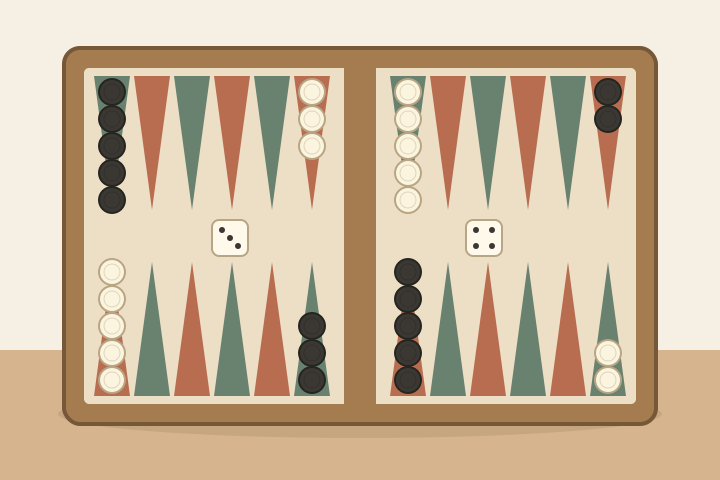
 is a two-player board game that mixes dice, tactical choices, and a race to bring your checkers home. Start with a borrowed set and a friendly game, then learn to balance safety and opportunity.
- Difficulty
- 2 out of 5
- Cost
- 1 out of 5
- Space
- 1 out of 5
- Social
- 3 out of 5
 Beatboxing
Turn mouth sounds into drum grooves, starting with a kick, hi-hat, and snare you can practise in short sessions without buying an instrument.
- Difficulty
- 2 out of 5
- Cost
- 1 out of 5
- Space
- 1 out of 5
- Social
- 3 out of 5
Blogging
Explore an interest through short posts, develop your writing and choose how widely to share your work.
- Difficulty
- 2 out of 5
- Cost
- 1 out of 5
- Space
- 1 out of 5
- Social
- 2 out of 5
 Book Folding
Turn the pages of an unwanted book into hearts, initials, and sculptural patterns with a ruler, pencil, and a patient series of folds.
- Difficulty
- 2 out of 5
- Cost
- 1 out of 5
- Space
- 1 out of 5
- Social
- 2 out of 5
 Bridge
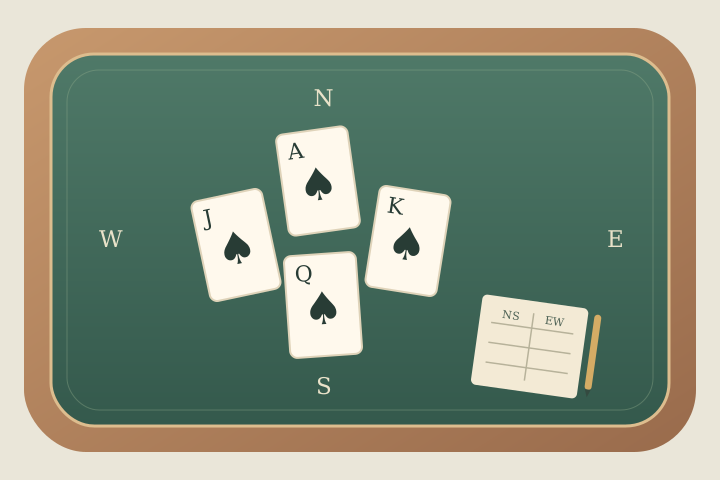
A partnership card game of planning, bidding, and shared problem-solving. Start with MiniBridge, then build towards friendly home games or a regular club table.
- Difficulty
- 4 out of 5
- Cost
- 1 out of 5
- Space
- 1 out of 5
- Social
- 5 out of 5
 Calisthenics
Train with your own bodyweight — from a first push-up and pull-up to bars, rings, and street-workout skills.
- Difficulty
- 3 out of 5
- Cost
- 1 out of 5
- Space
- 2 out of 5
- Social
- 2 out of 5
 Calligraphy
Shape letters with a broad-edge pen, pointed nib, or brush, building controlled strokes into words, cards, and decorative pages.
- Difficulty
- 3 out of 5
- Cost
- 1 out of 5
- Space
- 1 out of 5
- Social
- 2 out of 5
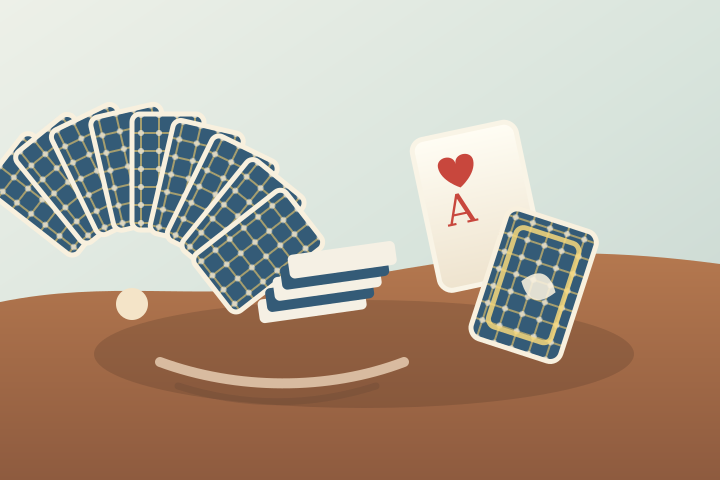 Cardistry
The performance art of playing-card flourishing, with cuts, fans, spreads, and displays performed for their visual beauty rather than deception.
- Difficulty
- 3 out of 5
- Cost
- 1 out of 5
- Space
- 1 out of 5
- Social
- 3 out of 5
 Chess
Chess is a two-player strategy game on a 64-square board. Learn the rules in one sitting, then improve through puzzles, slow games, and reviewing your own play.
- Difficulty
- 3 out of 5
- Cost
- 1 out of 5
- Space
- 1 out of 5
- Social
- 4 out of 5
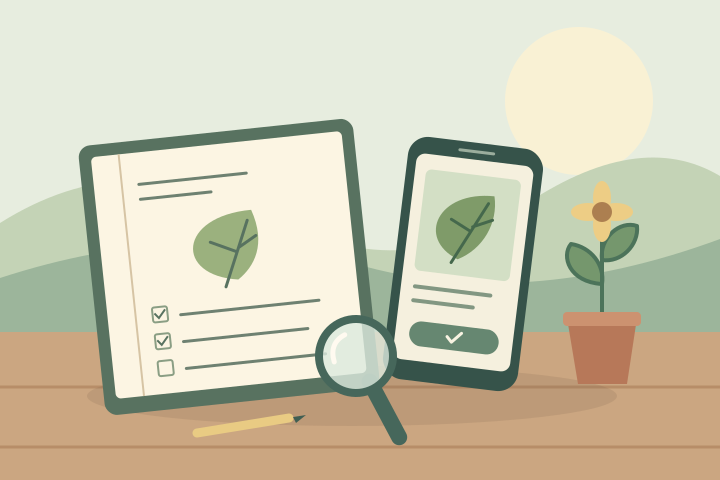 Citizen Science
Turn everyday curiosity into useful research by recording wildlife, classifying images, or joining a shared science project.
- Difficulty
- 2 out of 5
- Cost
- 1 out of 5
- Space
- 1 out of 5
- Social
- 3 out of 5
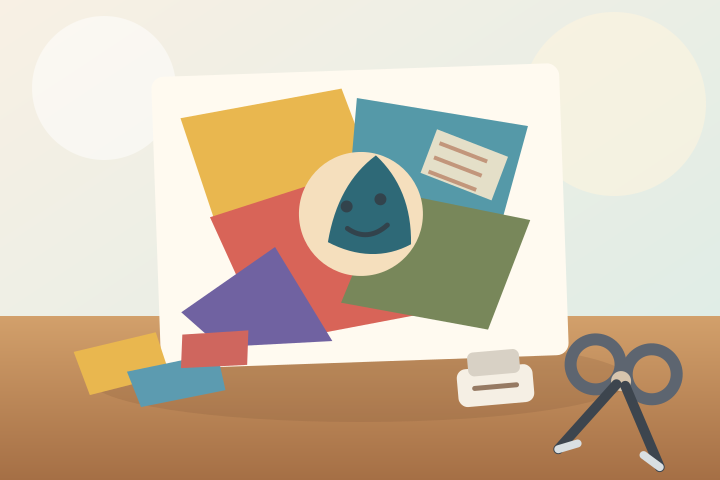 Collage Art
Cut, tear, layer, and arrange paper, photographs, fabric, and found materials into expressive images and compositions.
- Difficulty
- 1 out of 5
- Cost
- 1 out of 5
- Space
- 2 out of 5
- Social
- 2 out of 5
 Comics
Tell stories in panels: sequential art where drawings, captions, and pacing carry the narrative.
- Difficulty
- 3 out of 5
- Cost
- 1 out of 5
- Space
- 1 out of 5
- Social
- 3 out of 5
 Community Radio Presenting
A listener tuning in halfway through your show should still be able to tell who is speaking and why the story matters. Practise that skill with a one-minute local notice before trying an interview or a live handover.
- Difficulty
- 3 out of 5
- Cost
- 1 out of 5
- Space
- 1 out of 5
- Social
- 5 out of 5
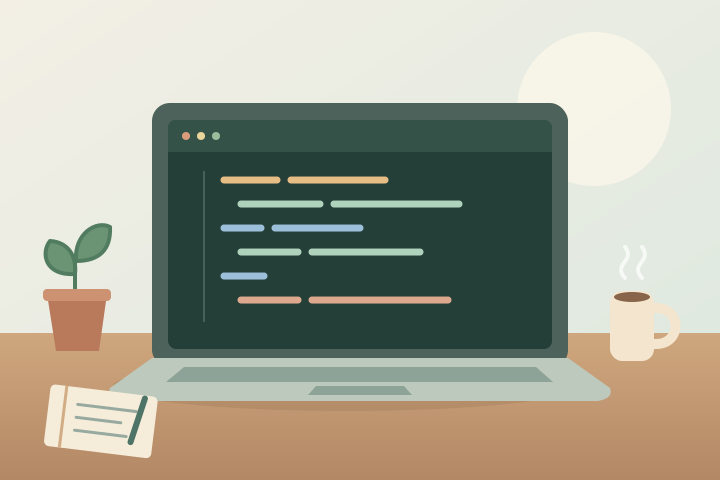 Computer Programming
Turn ideas into small games, useful tools, and interactive stories by writing instructions a computer can follow.
- Difficulty
- 3 out of 5
- Cost
- 1 out of 5
- Space
- 1 out of 5
- Social
- 3 out of 5
 Creative Writing
Turn observations, memories, and imagined scenes into poems, stories, and essays.
- Difficulty
- 2 out of 5
- Cost
- 1 out of 5
- Space
- 1 out of 5
- Social
- 3 out of 5
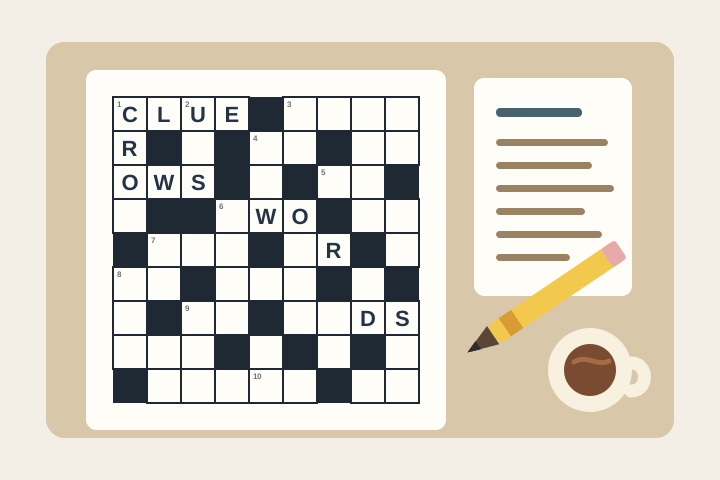 Crossword Puzzles
Solve word grids through clues, vocabulary, pattern recognition, and a steady habit of checking crossings.
- Difficulty
- 2 out of 5
- Cost
- 1 out of 5
- Space
- 1 out of 5
- Social
- 2 out of 5
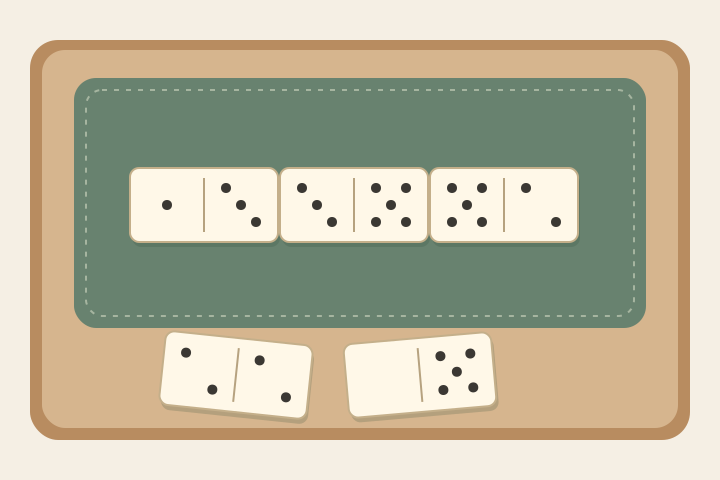 Dominoes
Match dotted tiles, plan your next move, and enjoy a little friendly competition. Dominoes is a compact table hobby with simple starting rules and plenty of room to develop your strategy.
- Difficulty
- 1 out of 5
- Cost
- 1 out of 5
- Space
- 1 out of 5
- Social
- 4 out of 5
 Drawing
Build observation, line control, and visual confidence with simple everyday tools.
- Difficulty
- 2 out of 5
- Cost
- 1 out of 5
- Space
- 1 out of 5
- Social
- 2 out of 5
Field Recording
A gate latch clicks, rain taps a sill, a bird calls between passing cars. Field recording captures sounds where they happen. It suits beginners who enjoy noticing small details and can spare a few minutes to record and listen back.
- Difficulty
- 2 out of 5
- Cost
- 1 out of 5
- Space
- 1 out of 5
- Social
- 2 out of 5
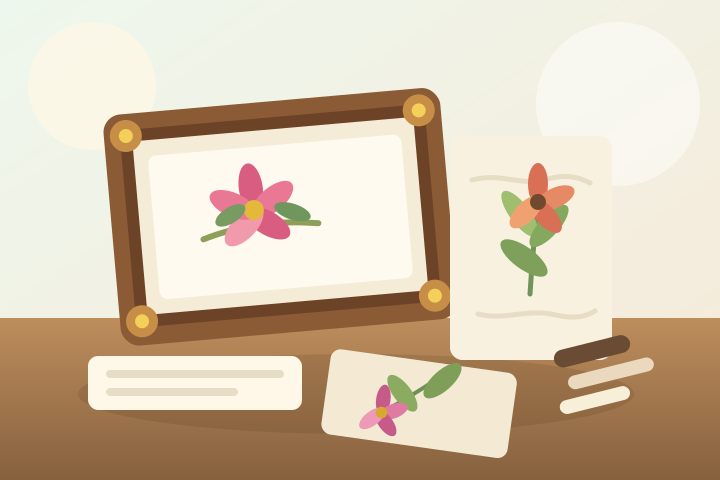 Flower Pressing
Preserve flowers, leaves, and small botanicals as flat, dried specimens for cards, journals, framed art, and keepsakes.
- Difficulty
- 2 out of 5
- Cost
- 1 out of 5
- Space
- 1 out of 5
- Social
- 2 out of 5
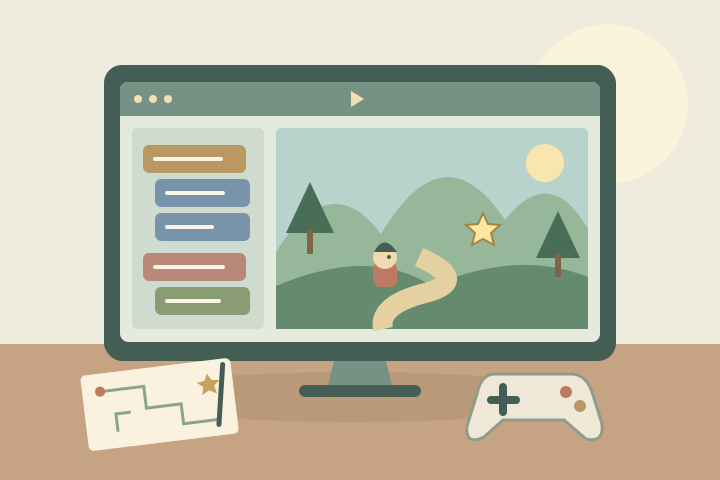 Game Development
Make tiny playable worlds, puzzles, and interactive stories by combining rules, art, sound, and a little experimentation.
- Difficulty
- 3 out of 5
- Cost
- 1 out of 5
- Space
- 1 out of 5
- Social
- 3 out of 5
 Geocaching
Use GPS coordinates and clues to find hidden containers in parks, streets, and trails — starting with a free account, easy D/T ratings, and fair trade etiquette.
- Difficulty
- 2 out of 5
- Cost
- 1 out of 5
- Space
- 5 out of 5
- Social
- 3 out of 5
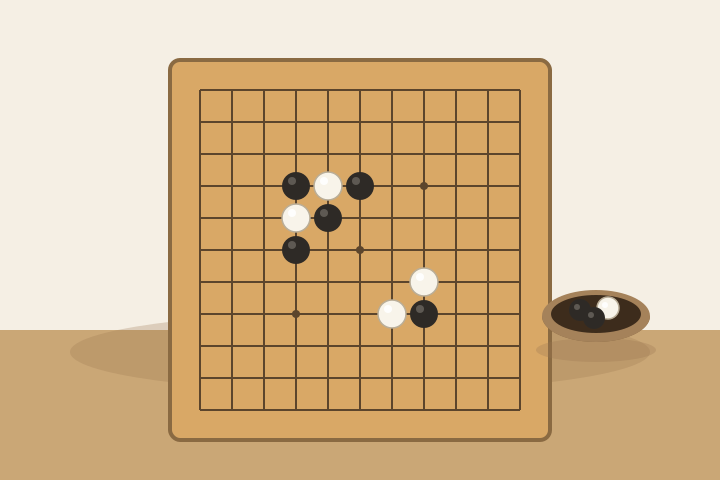 Go
Go is a two-player strategy game played on a grid of intersecting lines. The rules take minutes to learn, but the game rewards calm reading, long-term planning, and a feel for shape.
- Difficulty
- 3 out of 5
- Cost
- 1 out of 5
- Space
- 1 out of 5
- Social
- 3 out of 5
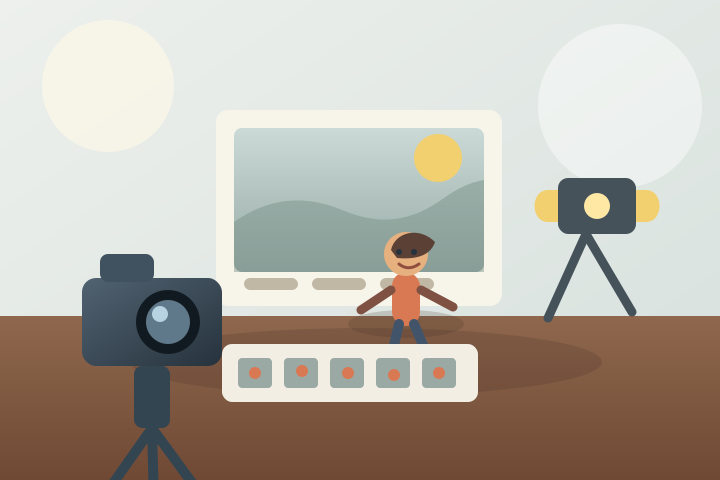 Hand-Drawn Animation
Bring simple drawings to life with short sequences. Begin with paper and pencil, test movement early and build towards small animated stories.
- Difficulty
- 3 out of 5
- Cost
- 1 out of 5
- Space
- 1 out of 5
- Social
- 2 out of 5
 Harmonica
Learn breath control, melody, rhythm, and bluesy expression with a small pocket-sized instrument.
- Difficulty
- 2 out of 5
- Cost
- 1 out of 5
- Space
- 1 out of 5
- Social
- 3 out of 5
 Journaling
Use a notebook or app to think clearly, track patterns, and keep a record of ordinary life.
- Difficulty
- 1 out of 5
- Cost
- 1 out of 5
- Space
- 1 out of 5
- Social
- 1 out of 5
 Juggling
Learn to keep balls, scarves, rings, or clubs moving through steady throws, catches, patterns, and playful practice.
- Difficulty
- 3 out of 5
- Cost
- 1 out of 5
- Space
- 2 out of 5
- Social
- 4 out of 5
 Kalimba
Pluck gentle melodies and ringing chords on a small thumb piano that fits into short practice sessions and a quiet corner at home.
- Difficulty
- 2 out of 5
- Cost
- 1 out of 5
- Space
- 1 out of 5
- Social
- 2 out of 5
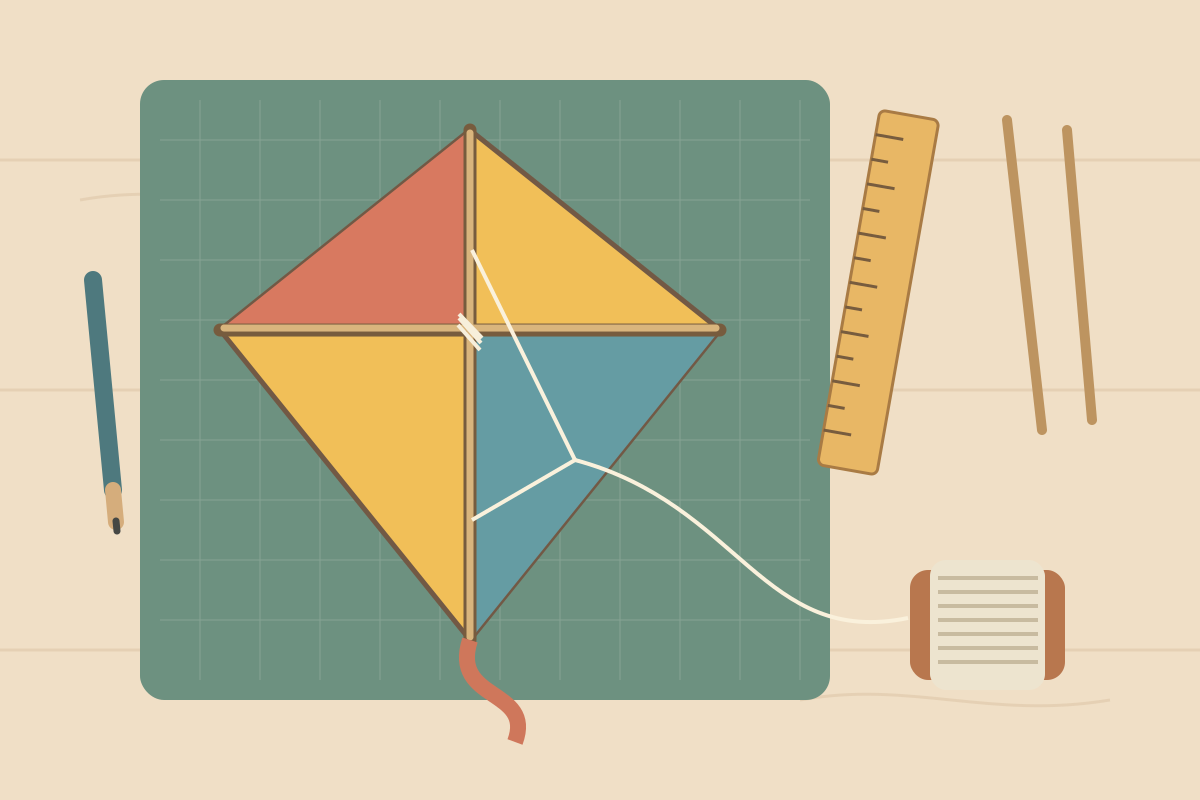 Kite Making
Build and decorate lightweight kites, then take them outside to test, adjust, and enjoy your own handmade flight.
- Difficulty
- 2 out of 5
- Cost
- 1 out of 5
- Space
- 2 out of 5
- Social
- 3 out of 5
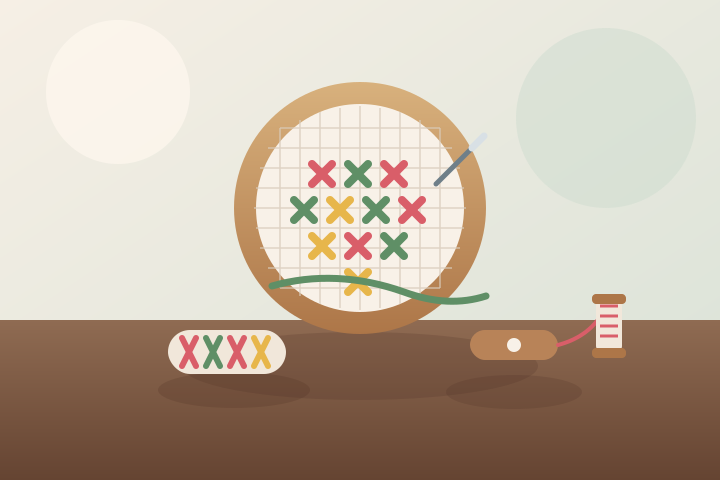 Kumihimo
Braid flat cords, bracelets, and tassels by passing threads over and under on a round braiding stand.
- Difficulty
- 2 out of 5
- Cost
- 1 out of 5
- Space
- 1 out of 5
- Social
- 3 out of 5
Land Art
A curve of leaves can echo a shadow or follow the edge of a patio. Start with one material and see how much the piece changes when you move just one leaf.
- Difficulty
- 1 out of 5
- Cost
- 1 out of 5
- Space
- 5 out of 5
- Social
- 3 out of 5
 Language Learning
Learn a new language through short, regular sessions: build pronunciation, core phrases, listening, and speaking confidence, from first greetings to real conversations.
- Difficulty
- 2 out of 5
- Cost
- 1 out of 5
- Space
- 1 out of 5
- Social
- 3 out of 5
 Letterboxing
Follow riddles and clues to find hidden boxes and exchange rubber-stamp impressions between logbooks — starting with a free registry, a simple clue, and discreet searching etiquette.
- Difficulty
- 2 out of 5
- Cost
- 1 out of 5
- Space
- 4 out of 5
- Social
- 3 out of 5
 Magic Tricks
The art of creating impossible-seeming effects with cards, coins, and everyday objects — from self-working tricks and sleight of hand to performing for an audience.
- Difficulty
- 3 out of 5
- Cost
- 1 out of 5
- Space
- 1 out of 5
- Social
- 4 out of 5
 Meditation
Practise attention, breathing, and awareness through short repeatable sessions.
- Difficulty
- 1 out of 5
- Cost
- 1 out of 5
- Space
- 1 out of 5
- Social
- 2 out of 5
Mime
Can someone tell when you discover your cup is empty, even if there is no cup? Mime uses gesture, gaze and timing to tell that kind of story. You can start seated, practise alone and invite a partner to play the other character.
- Difficulty
- 2 out of 5
- Cost
- 1 out of 5
- Space
- 1 out of 5
- Social
- 3 out of 5
Newsletter Publishing
A book you keep recommending can be the start of a newsletter. Write a short note about who might enjoy it, send yourself a test copy, and invite a reader to get the next issue.
- Difficulty
- 2 out of 5
- Cost
- 1 out of 5
- Space
- 1 out of 5
- Social
- 2 out of 5
 Ocarina
Play clear, rounded melodies on a small vessel flute while learning finger patterns, steady rhythm, and expressive breath control.
- Difficulty
- 2 out of 5
- Cost
- 1 out of 5
- Space
- 1 out of 5
- Social
- 3 out of 5
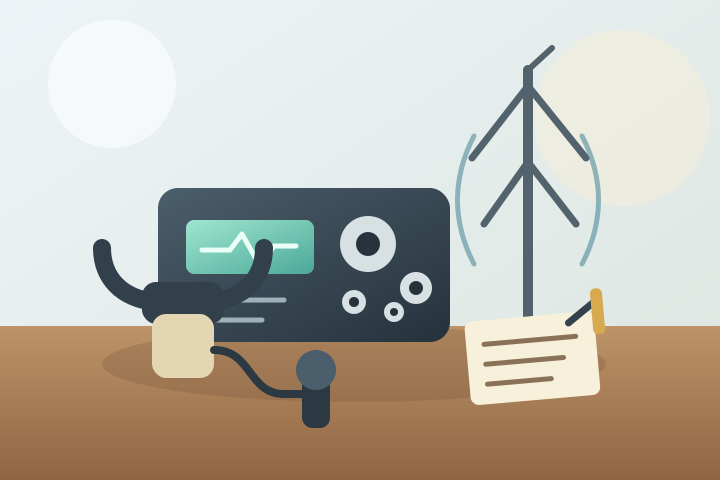 Oral History Interviewing
Start with one person, one memory, and a recorder you already know how to use. A short conversation about a first job, a club meeting, or a familiar street can make a rewarding first interview.
- Difficulty
- 2 out of 5
- Cost
- 1 out of 5
- Space
- 1 out of 5
- Social
- 5 out of 5
 Oral Storytelling
Start with a moment you remember well enough to tell a friend. Three cue words and a few minutes of practice can help you find the story in it.
- Difficulty
- 2 out of 5
- Cost
- 1 out of 5
- Space
- 1 out of 5
- Social
- 5 out of 5
 Origami
Fold paper into cranes, boxes, flowers, and geometric forms with almost no gear and plenty of repeatable practice.
- Difficulty
- 2 out of 5
- Cost
- 1 out of 5
- Space
- 1 out of 5
- Social
- 2 out of 5
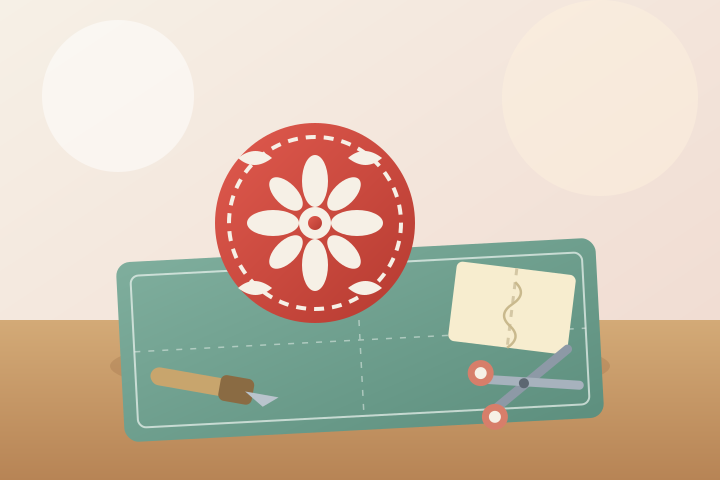 Paper Cutting
Cut folded and freehand paper into snowflakes, medallions, and folk designs with scissors or a blade and a cutting mat.
- Difficulty
- 2 out of 5
- Cost
- 1 out of 5
- Space
- 1 out of 5
- Social
- 2 out of 5
 Pasta Making
Mix flour and eggs, roll, cut, and cook fresh pasta by hand, learning dough feel, timing, and shaping through repetition.
- Difficulty
- 2 out of 5
- Cost
- 1 out of 5
- Space
- 2 out of 5
- Social
- 3 out of 5
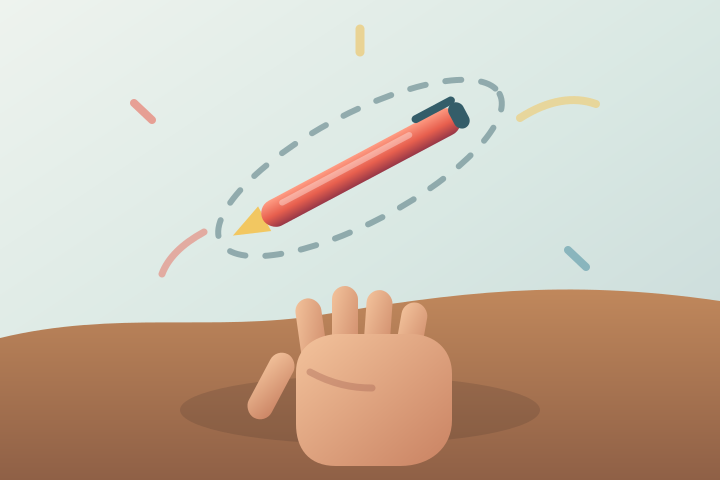 Pen Spinning
Learn to keep a pen spinning smoothly on your fingers with control tricks, transitions, and steady one-handed practice.
- Difficulty
- 3 out of 5
- Cost
- 1 out of 5
- Space
- 1 out of 5
- Social
- 3 out of 5
 Pixel Art
Pixel art suits people who enjoy solving little visual puzzles. A single blank pixel can open up a mug handle, and a few light pixels can turn the same mug into glossy glaze.
- Difficulty
- 2 out of 5
- Cost
- 1 out of 5
- Space
- 1 out of 5
- Social
- 2 out of 5
 Postcard Collecting
Build a postcard collection by learning view cards, real photo cards, and the postcard eras, then sorting, storing, and researching them by place, theme, and condition.
- Difficulty
- 2 out of 5
- Cost
- 1 out of 5
- Space
- 1 out of 5
- Social
- 2 out of 5
Reading
Build a flexible reading habit through books, essays, comics, audiobooks, and library browsing.
- Difficulty
- 1 out of 5
- Cost
- 1 out of 5
- Space
- 1 out of 5
- Social
- 2 out of 5
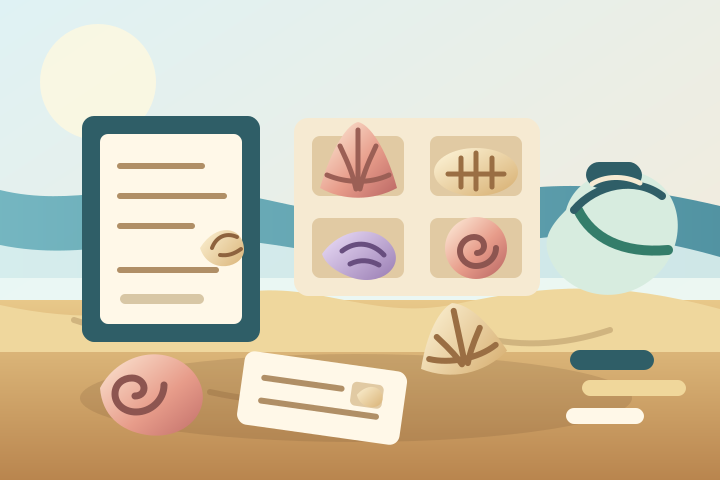 Seashell Collecting
Build a careful shell collection by learning beach rules, species clues, tide habits, cleaning, labelling, and ethical collecting.
- Difficulty
- 2 out of 5
- Cost
- 1 out of 5
- Space
- 2 out of 5
- Social
- 2 out of 5
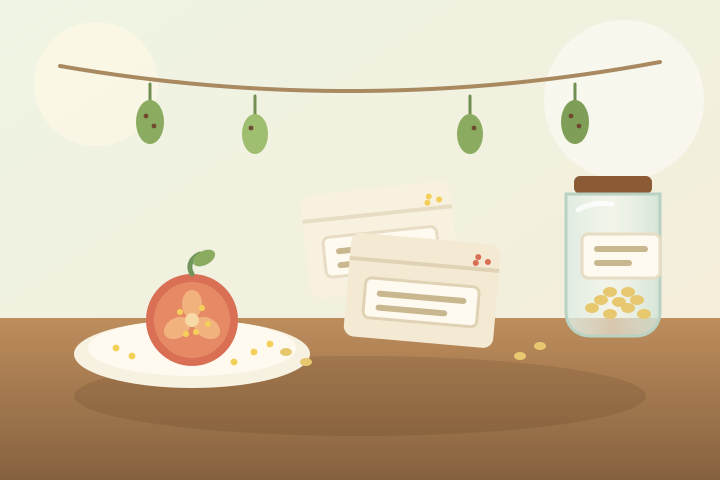 Seed Saving
Harvest, clean, dry, and store seeds from your own plants so you can replant proven varieties next season — starting with a few easy open-pollinated crops, careful drying, and honest labels.
- Difficulty
- 3 out of 5
- Cost
- 1 out of 5
- Space
- 2 out of 5
- Social
- 2 out of 5
 Singing
Learn to sing in tune with steady breath, a comfortable range, and clear words, starting with songs you can sing without strain.
- Difficulty
- 2 out of 5
- Cost
- 1 out of 5
- Space
- 1 out of 5
- Social
- 4 out of 5
Spoken Word Poetry
Start with a sound you remember and a few lines in your own speaking voice. Read them twice and listen for what changes when you move a pause.
- Difficulty
- 2 out of 5
- Cost
- 1 out of 5
- Space
- 1 out of 5
- Social
- 3 out of 5
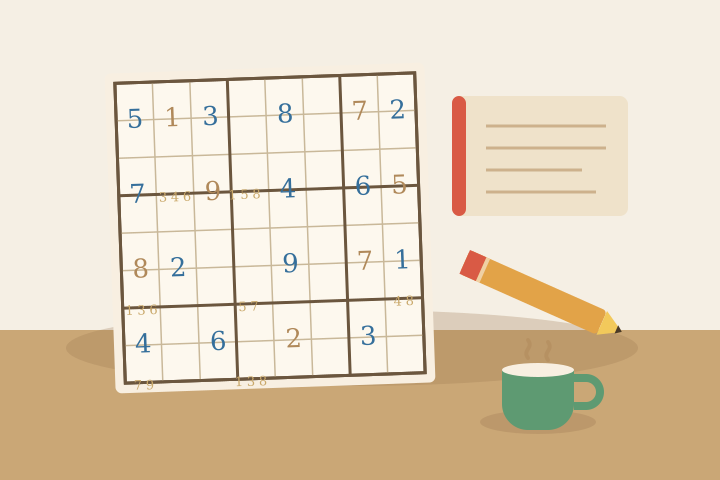 Sudoku
Fill a 9×9 grid so that every row, column, and 3×3 box contains the digits 1 to 9, using pure logic and patient elimination.
- Difficulty
- 1 out of 5
- Cost
- 1 out of 5
- Space
- 1 out of 5
- Social
- 2 out of 5
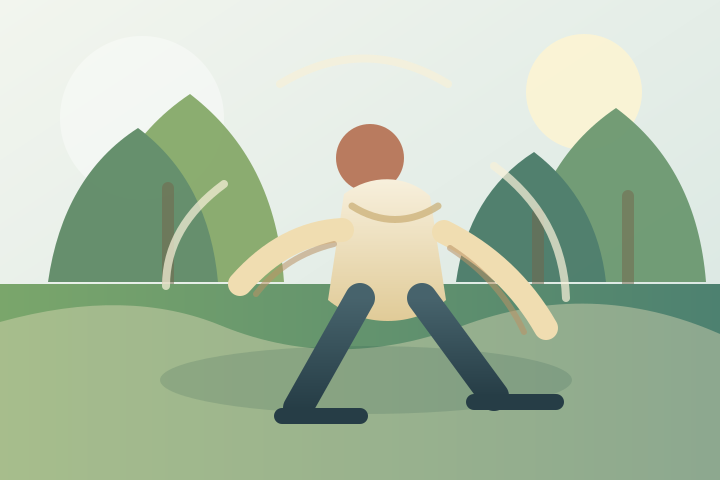 Tai Chi
Learn the slow, flowing movements of a Chinese martial art — balance, posture, breath, and attention, from a first ten-minute session to a full form.
- Difficulty
- 2 out of 5
- Cost
- 1 out of 5
- Space
- 2 out of 5
- Social
- 3 out of 5
 Urban Sketching
Draw the places you live and travel to, on location and from direct observation, with a pocket kit.
- Difficulty
- 3 out of 5
- Cost
- 1 out of 5
- Space
- 1 out of 5
- Social
- 3 out of 5
Wiki Editing
If you enjoy spotting an unclear sentence or tracking down where a fact came from, an existing wiki article gives you a place to start. One well-checked edit can be a whole session.
- Difficulty
- 2 out of 5
- Cost
- 1 out of 5
- Space
- 1 out of 5
- Social
- 3 out of 5
 Yoga
Start a low-equipment practice of postures, breath, and attention — from a first 15-minute session to finding your style.
- Difficulty
- 2 out of 5
- Cost
- 1 out of 5
- Space
- 2 out of 5
- Social
- 3 out of 5
Zine Making
Turn a small idea into a handmade publication using writing, drawing or collage. Begin with one folded sheet, then explore layout, copying and sharing at your own pace.
- Difficulty
- 1 out of 5
- Cost
- 1 out of 5
- Space
- 1 out of 5
- Social
- 3 out of 5