Choose for how you want to feel afterward
A relaxing hobby need not be quiet. Gentle focus, simple repetition, sensory detail, fresh air, or making something with your hands may feel relaxing, but responses vary between people and from day to day. Try an activity and notice whether it feels enjoyable, settling, or demanding.
Before choosing, consider your available energy, what hand movements feel comfortable, which sounds or textures you prefer, how much noise you and others nearby can tolerate, and whether outdoor space is accessible. Stillness, fine handwork, and outdoor activity will not suit everyone. You could choose a smaller creative task or observe nature from a window. The patterns below overlap: they are ways to explore preferences, rather than exclusive classifications.
Good relaxing hobby patterns
- Attention hobbies: reading, meditation, journaling, birdwatching, photography, and language learning. For a small journaling trial, write a few private sentences on paper with a pen or on a device you already use; a dedicated journal is optional. Paper needs a small writing surface and little storage, while a device may need no extra space. Handwriting or typing can be demanding, so choose whichever feels comfortable. Noise is usually limited to writing or typing sounds. If you already have the materials, this trial need not involve a purchase.
- Hands-busy hobbies: knitting, crochet, embroidery, origami, flower pressing, paper quilling, and card making. For an origami trial, fold one simple shape using a sheet of paper of the shape needed for your chosen fold. Special origami paper and tools are optional. Allow a small flat surface and space to keep the paper or finished shape. Paper rustles, and aligning folds and pressing creases may demand fine hand control. If suitable paper is already available, no purchase is needed for this trial.
- Sensory hobbies: tea brewing, coffee brewing, cooking, flower arranging, and terrarium making.
- Gentle creative hobbies: drawing, creative writing, ukulele, singing, harmonica, and scrapbooking. For a drawing trial, make a few lines or sketch one nearby object with a pencil or pen and paper. Specialist pencils and a sketchbook are optional. You need a small drawing surface and little storage; drawing makes little noise but can require sustained grip and hand control. Larger marks or a shorter task may feel more comfortable. If you already own paper and a drawing tool, this trial needs no new materials.
- Outdoor exploration hobbies: kite flying, easy geocaching, slow walks with a camera, and simple nature observation. For a nature-observation trial, notice one nearby plant, bird, or changing patch of sky, including from a window. No equipment, dedicated setup, or storage is needed; binoculars, a camera, and written notes are optional. Observation alone need not involve fine handwork or make noise, though surrounding sounds vary. This version needs no equipment purchase or outdoor access.
Keep the first version small
An ambitious setup can make a hobby feel demanding. Consider a short trial with ordinary materials and a stopping point that suits you. You might fold one simple paper shape and stop after that attempt, write two or three private sentences and close the notebook, or observe nature nearby or from a window until you have noticed one detail. Five or ten minutes is an optional suggestion, not a measured requirement or a routine to complete. Stop sooner whenever you wish, and notice whether the activity feels enjoyable or demanding before deciding whether to try it again.
If a hobby starts to feel like performance, consider simplifying it. Use fewer tools, choose easier projects, and keep the activity private if that feels more comfortable. Language learning and playing an instrument can feel demanding when approached as performance goals: you might explore one interesting word without testing yourself, or play a few familiar notes without recording or aiming for a complete piece. You can change the activity or leave it aside if it does not suit you.
55 guides
Hobbies in this article
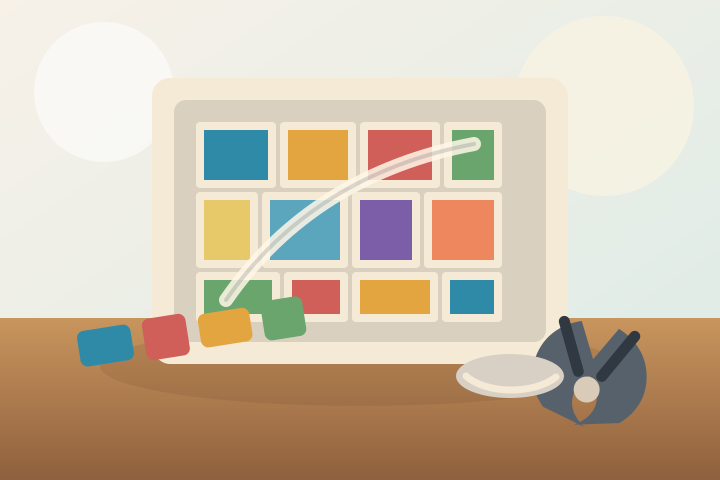 Chalk Pavement Art
A stick of chalk makes a fine line on its edge and a broad stripe on its side. Try both in a small mosaic, using the bare pavement between shapes as part of the design.
- Difficulty
- 1 out of 5
- Cost
- 2 out of 5
- Space
- 5 out of 5
- Social
- 3 out of 5
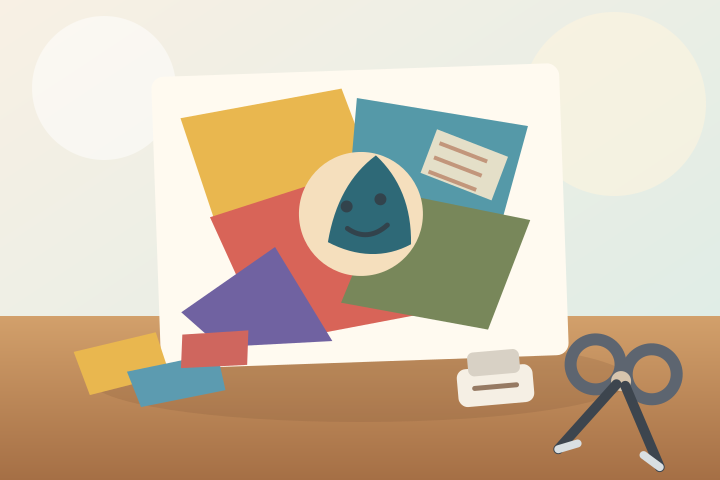 Collage Art
Cut, tear, layer, and arrange paper, photographs, fabric, and found materials into expressive images and compositions.
- Difficulty
- 1 out of 5
- Cost
- 1 out of 5
- Space
- 2 out of 5
- Social
- 2 out of 5
 Journaling
Use a notebook or app to think clearly, track patterns, and keep a record of ordinary life.
- Difficulty
- 1 out of 5
- Cost
- 1 out of 5
- Space
- 1 out of 5
- Social
- 1 out of 5
Land Art
A curve of leaves can echo a shadow or follow the edge of a patio. Start with one material and see how much the piece changes when you move just one leaf.
- Difficulty
- 1 out of 5
- Cost
- 1 out of 5
- Space
- 5 out of 5
- Social
- 3 out of 5
 Meditation
Practise attention, breathing, and awareness through short repeatable sessions.
- Difficulty
- 1 out of 5
- Cost
- 1 out of 5
- Space
- 1 out of 5
- Social
- 2 out of 5
 Reading
Build a flexible reading habit through books, essays, comics, audiobooks, and library browsing.
- Difficulty
- 1 out of 5
- Cost
- 1 out of 5
- Space
- 1 out of 5
- Social
- 2 out of 5
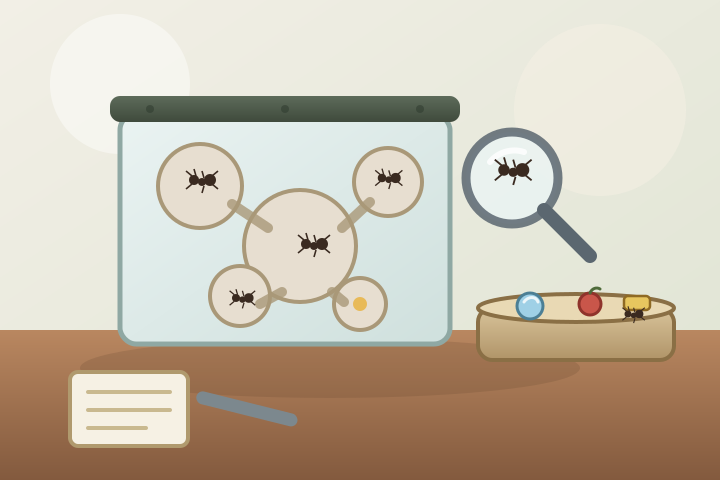 Ant Keeping
Build and maintain a formicarium, then observe a colony's life through careful feeding, humidity, temperature, and patient watching.
- Difficulty
- 2 out of 5
- Cost
- 2 out of 5
- Space
- 1 out of 5
- Social
- 2 out of 5
 Beatboxing
Turn mouth sounds into drum grooves, starting with a kick, hi-hat, and snare you can practise in short sessions without buying an instrument.
- Difficulty
- 2 out of 5
- Cost
- 1 out of 5
- Space
- 1 out of 5
- Social
- 3 out of 5
 Birdwatching
Learn the birds around you by sight, sound, season, and habitat.
- Difficulty
- 2 out of 5
- Cost
- 2 out of 5
- Space
- 1 out of 5
- Social
- 3 out of 5
 Candle Painting
Paint motifs, borders, and lettering onto finished candles — a compact, painterly craft for gifts and display.
- Difficulty
- 2 out of 5
- Cost
- 2 out of 5
- Space
- 1 out of 5
- Social
- 2 out of 5
 Card Making
Design and assemble handmade greeting cards from cardstock, ink, stamps, and die cuts, from simple folded cards to pop-ups.
- Difficulty
- 2 out of 5
- Cost
- 2 out of 5
- Space
- 1 out of 5
- Social
- 2 out of 5
 Citizen Science
Turn everyday curiosity into useful research by recording wildlife, classifying images, or joining a shared science project.
- Difficulty
- 2 out of 5
- Cost
- 1 out of 5
- Space
- 1 out of 5
- Social
- 3 out of 5
 Coffee Brewing
Make better coffee at home by learning beans, grind size, water, ratios, and repeatable brew methods.
- Difficulty
- 2 out of 5
- Cost
- 2 out of 5
- Space
- 1 out of 5
- Social
- 3 out of 5
 Cooking
Build everyday kitchen confidence through simple meals, timing, seasoning, and repeatable techniques.
- Difficulty
- 2 out of 5
- Cost
- 2 out of 5
- Space
- 2 out of 5
- Social
- 4 out of 5
 Creative Writing
Turn observations, memories, and imagined scenes into poems, stories, and essays.
- Difficulty
- 2 out of 5
- Cost
- 1 out of 5
- Space
- 1 out of 5
- Social
- 3 out of 5
 Crochet
Use one hook and yarn to make fabric, toys, home goods, and quick gifts.
- Difficulty
- 2 out of 5
- Cost
- 2 out of 5
- Space
- 1 out of 5
- Social
- 3 out of 5
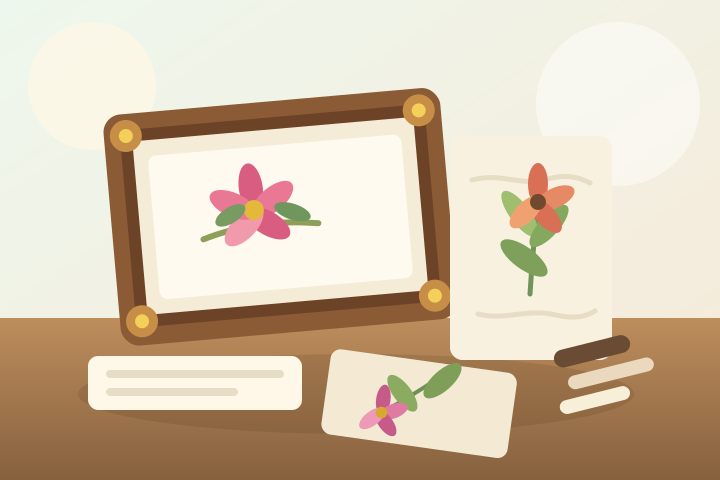 Cyanotype Printing
A pressed leaf, a scrap of lace or a paper cutout can become the subject of a photograph. Lay it on light-sensitive paper, expose the sheet to sunlight and rinse it to reveal a pale silhouette against blue.
- Difficulty
- 2 out of 5
- Cost
- 2 out of 5
- Space
- 3 out of 5
- Social
- 3 out of 5
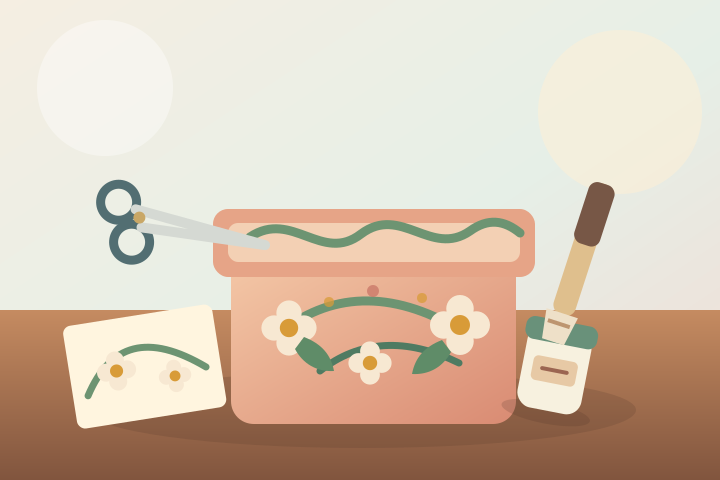 Decoupage
Transform boxes, trays, furniture, and ornaments by layering cut paper designs with adhesive and a protective finish.
- Difficulty
- 2 out of 5
- Cost
- 2 out of 5
- Space
- 1 out of 5
- Social
- 2 out of 5
 Drawing
Build observation, line control, and visual confidence with simple everyday tools.
- Difficulty
- 2 out of 5
- Cost
- 1 out of 5
- Space
- 1 out of 5
- Social
- 2 out of 5
 Embroidery
Stitch patterns, letters, and small pictures onto fabric with portable tools and patient repetition.
- Difficulty
- 2 out of 5
- Cost
- 2 out of 5
- Space
- 1 out of 5
- Social
- 3 out of 5
 Flower Arranging
Compose fresh, dried, or seasonal flowers into balanced displays for homes, events, gifts, and quiet practice.
- Difficulty
- 2 out of 5
- Cost
- 3 out of 5
- Space
- 2 out of 5
- Social
- 3 out of 5
Flower Pressing
Preserve flowers, leaves, and small botanicals as flat, dried specimens for cards, journals, framed art, and keepsakes.
- Difficulty
- 2 out of 5
- Cost
- 1 out of 5
- Space
- 1 out of 5
- Social
- 2 out of 5
 Geocaching
Use GPS coordinates and clues to find hidden containers in parks, streets, and trails — starting with a free account, easy D/T ratings, and fair trade etiquette.
- Difficulty
- 2 out of 5
- Cost
- 1 out of 5
- Space
- 5 out of 5
- Social
- 3 out of 5
 Harmonica
Learn breath control, melody, rhythm, and bluesy expression with a small pocket-sized instrument.
- Difficulty
- 2 out of 5
- Cost
- 1 out of 5
- Space
- 1 out of 5
- Social
- 3 out of 5
 Houseplant Collecting
Build a small, healthy collection of houseplants by matching species to your light, watering rhythm, and space.
- Difficulty
- 2 out of 5
- Cost
- 2 out of 5
- Space
- 1 out of 5
- Social
- 2 out of 5
 Kalimba
Pluck gentle melodies and ringing chords on a small thumb piano that fits into short practice sessions and a quiet corner at home.
- Difficulty
- 2 out of 5
- Cost
- 1 out of 5
- Space
- 1 out of 5
- Social
- 2 out of 5
 Kite Flying
Learn wind, launch technique, line control, and simple outdoor flight with single-line, stunt, or power kites.
- Difficulty
- 2 out of 5
- Cost
- 2 out of 5
- Space
- 4 out of 5
- Social
- 3 out of 5
 Knitting
Turn yarn into useful fabric with a small set of portable tools and steady practice.
- Difficulty
- 2 out of 5
- Cost
- 2 out of 5
- Space
- 1 out of 5
- Social
- 3 out of 5
 Language Learning
Learn a new language through short, regular sessions: build pronunciation, core phrases, listening, and speaking confidence, from first greetings to real conversations.
- Difficulty
- 2 out of 5
- Cost
- 1 out of 5
- Space
- 1 out of 5
- Social
- 3 out of 5
 Lego Building
Build models, scenes, machines, and display pieces with interlocking bricks and a repeatable design process.
- Difficulty
- 2 out of 5
- Cost
- 3 out of 5
- Space
- 2 out of 5
- Social
- 3 out of 5
 Letterboxing
Follow riddles and clues to find hidden boxes and exchange rubber-stamp impressions between logbooks — starting with a free registry, a simple clue, and discreet searching etiquette.
- Difficulty
- 2 out of 5
- Cost
- 1 out of 5
- Space
- 4 out of 5
- Social
- 3 out of 5
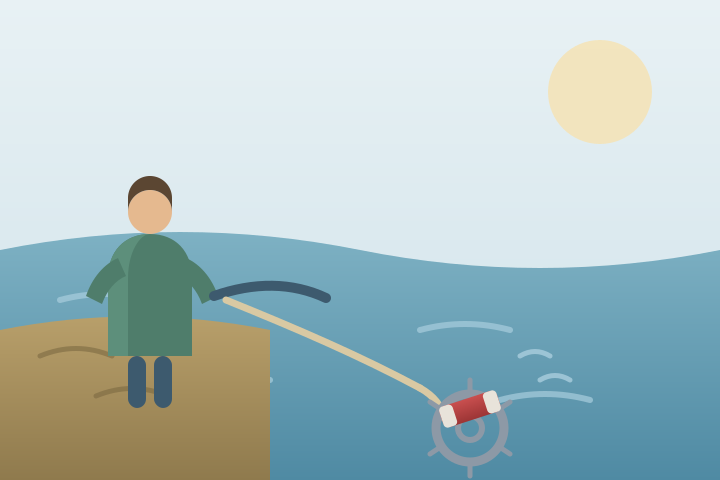 Magnet Fishing
Pull forgotten objects — bicycles, tools, coins, and the occasional mystery — from rivers, canals, and lakes using a strong neodymium magnet on a rope, starting with a small magnet, a sturdy rope, and a safe bank.
- Difficulty
- 2 out of 5
- Cost
- 2 out of 5
- Space
- 1 out of 5
- Social
- 3 out of 5
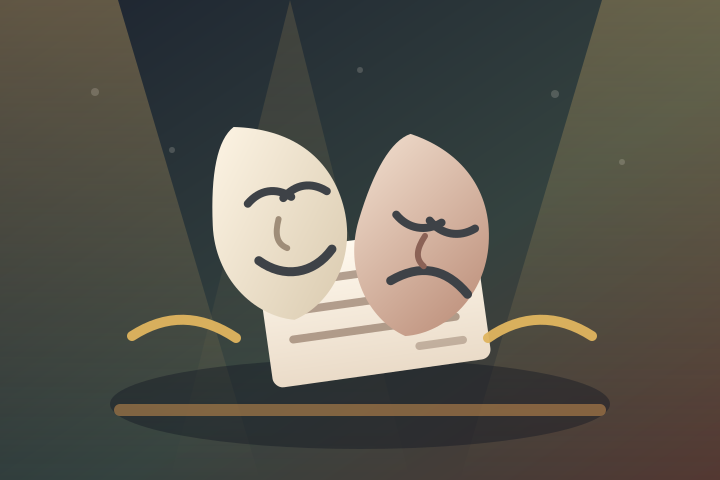 Mime
Can someone tell when you discover your cup is empty, even if there is no cup? Mime uses gesture, gaze and timing to tell that kind of story. You can start seated, practise alone and invite a partner to play the other character.
- Difficulty
- 2 out of 5
- Cost
- 1 out of 5
- Space
- 1 out of 5
- Social
- 3 out of 5
 Mixology
Learn to make balanced cocktails and mocktails by practicing recipes, measuring, ice, garnishes, and flavor structure.
- Difficulty
- 2 out of 5
- Cost
- 2 out of 5
- Space
- 1 out of 5
- Social
- 4 out of 5
 Ocarina
Play clear, rounded melodies on a small vessel flute while learning finger patterns, steady rhythm, and expressive breath control.
- Difficulty
- 2 out of 5
- Cost
- 1 out of 5
- Space
- 1 out of 5
- Social
- 3 out of 5
 Oral Storytelling
Start with a moment you remember well enough to tell a friend. Three cue words and a few minutes of practice can help you find the story in it.
- Difficulty
- 2 out of 5
- Cost
- 1 out of 5
- Space
- 1 out of 5
- Social
- 5 out of 5
 Origami
Fold paper into cranes, boxes, flowers, and geometric forms with almost no gear and plenty of repeatable practice.
- Difficulty
- 2 out of 5
- Cost
- 1 out of 5
- Space
- 1 out of 5
- Social
- 2 out of 5
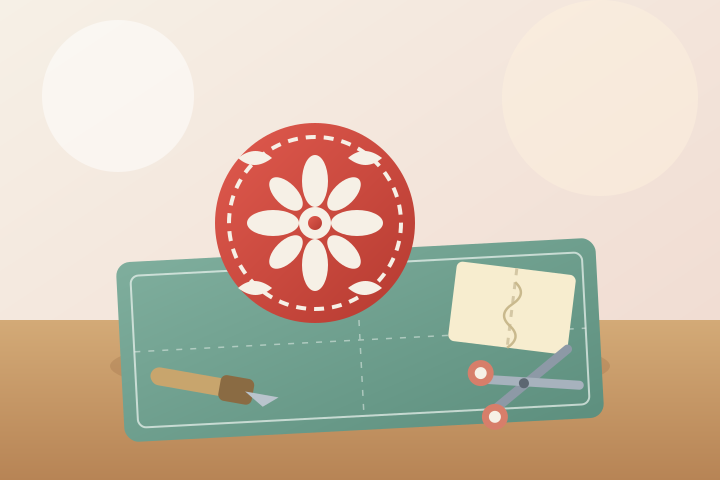 Paper Cutting
Cut folded and freehand paper into snowflakes, medallions, and folk designs with scissors or a blade and a cutting mat.
- Difficulty
- 2 out of 5
- Cost
- 1 out of 5
- Space
- 1 out of 5
- Social
- 2 out of 5
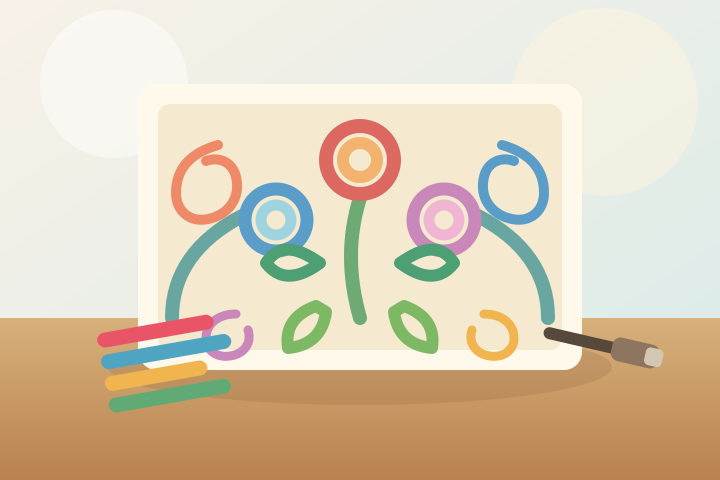 Paper Quilling
Roll narrow paper strips into coils, scrolls, flowers, lettering, and decorative designs with simple tools and patient placement.
- Difficulty
- 2 out of 5
- Cost
- 2 out of 5
- Space
- 1 out of 5
- Social
- 2 out of 5
 Papier-Mâché Sculpture
A handful of crumpled newspaper gives a bird its shape. Overlapping strips give it a firm skin. You can adjust the silhouette while the paper is dry, then cover and paint it in short sessions.
- Difficulty
- 2 out of 5
- Cost
- 2 out of 5
- Space
- 3 out of 5
- Social
- 3 out of 5
 Pasta Making
Mix flour and eggs, roll, cut, and cook fresh pasta by hand, learning dough feel, timing, and shaping through repetition.
- Difficulty
- 2 out of 5
- Cost
- 1 out of 5
- Space
- 2 out of 5
- Social
- 3 out of 5
 Photography
Use a phone or camera to notice light, frame stronger images, and tell visual stories.
- Difficulty
- 2 out of 5
- Cost
- 2 out of 5
- Space
- 1 out of 5
- Social
- 3 out of 5
 Pixel Art
Pixel art suits people who enjoy solving little visual puzzles. A single blank pixel can open up a mug handle, and a few light pixels can turn the same mug into glossy glaze.
- Difficulty
- 2 out of 5
- Cost
- 1 out of 5
- Space
- 1 out of 5
- Social
- 2 out of 5
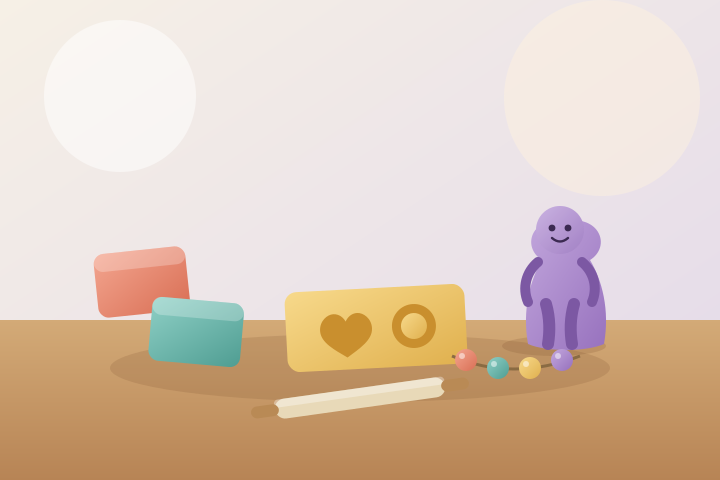 Polymer Clay Sculpting
Shape, sculpt, and bake small figures, beads, and jewellery from oven-cure clay that stays bright, light, and durable.
- Difficulty
- 2 out of 5
- Cost
- 2 out of 5
- Space
- 1 out of 5
- Social
- 2 out of 5
 Postcard Collecting
Build a postcard collection by learning view cards, real photo cards, and the postcard eras, then sorting, storing, and researching them by place, theme, and condition.
- Difficulty
- 2 out of 5
- Cost
- 1 out of 5
- Space
- 1 out of 5
- Social
- 2 out of 5
Sand Art
A beginner guide to tabletop sand art, focusing on coloured sand pictures and simple layered containers.
- Difficulty
- 2 out of 5
- Cost
- 2 out of 5
- Space
- 3 out of 5
- Social
- 3 out of 5
Scrapbooking
Preserve photos, keepsakes, and stories in layered pages that mix memory, design, and hands-on paper craft.
- Difficulty
- 2 out of 5
- Cost
- 2 out of 5
- Space
- 2 out of 5
- Social
- 2 out of 5
 Sewing
Make repairs, simple garments, home goods, and useful fabric projects with hand or machine stitching.
- Difficulty
- 2 out of 5
- Cost
- 3 out of 5
- Space
- 3 out of 5
- Social
- 3 out of 5
 Singing
Learn to sing in tune with steady breath, a comfortable range, and clear words, starting with songs you can sing without strain.
- Difficulty
- 2 out of 5
- Cost
- 1 out of 5
- Space
- 1 out of 5
- Social
- 4 out of 5
Spoken Word Poetry
Start with a sound you remember and a few lines in your own speaking voice. Read them twice and listen for what changes when you move a pause.
- Difficulty
- 2 out of 5
- Cost
- 1 out of 5
- Space
- 1 out of 5
- Social
- 3 out of 5
String Art
Stretch thread between fixed points and a curve begins to appear between the straight lines. A notched card circle makes a quiet first project that fits on a desk.
- Difficulty
- 2 out of 5
- Cost
- 2 out of 5
- Space
- 1 out of 5
- Social
- 2 out of 5
 Tea Brewing
Brew better tea by learning leaves, water temperature, steeping time, teaware, and repeatable tasting habits.
- Difficulty
- 2 out of 5
- Cost
- 2 out of 5
- Space
- 1 out of 5
- Social
- 3 out of 5
 Terrarium Making
Build miniature glass gardens with small plants, substrate layers, light, moisture balance, and careful display.
- Difficulty
- 2 out of 5
- Cost
- 2 out of 5
- Space
- 1 out of 5
- Social
- 2 out of 5
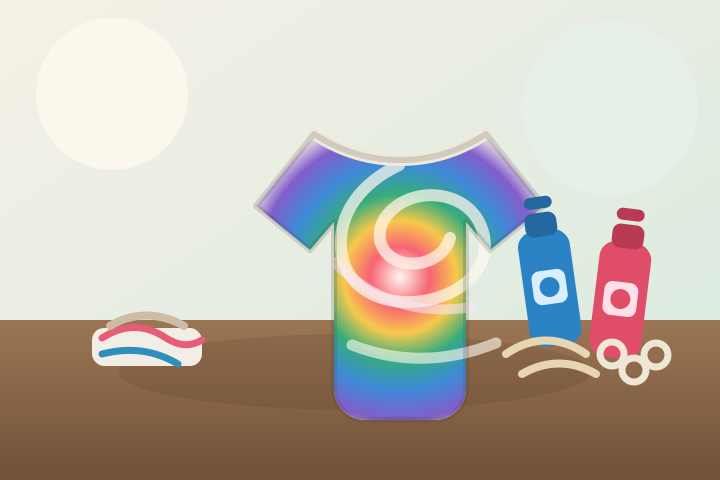 Tie-Dyeing
Fold, bind, and dye fabric into bold colour patterns on shirts, tote bags, linens, and small textile projects.
- Difficulty
- 2 out of 5
- Cost
- 2 out of 5
- Space
- 2 out of 5
- Social
- 3 out of 5
 Ukulele
Learn chords, strumming, and songs on a small four-string instrument that is gentle on the fingers and easy to carry.
- Difficulty
- 2 out of 5
- Cost
- 2 out of 5
- Space
- 1 out of 5
- Social
- 4 out of 5