Choose by where your confidence is thin
Hobbies can offer opportunities to practise skills and notice progress, but experiences vary and greater confidence is not guaranteed. You might feel unsure about learning something new, uncomfortable being seen or heard, or find it difficult to sustain interest when progress slows. These preferences and concerns can help you choose an activity and setting you would like to try.
Before choosing, consider what would make a first attempt manageable. If learning feels daunting, choose one small task to explore. If being seen feels uncomfortable, start privately if you prefer. If sustaining interest is difficult, consider a flexible routine or an optional shared session. When choosing a setting, ask the provider about beginner instruction, supervision, accessibility, required equipment and ways to adapt the activity, especially for swimming, climbing and martial arts; do not assume these are suitable for independent practice. Before committing, check whether equipment can be borrowed or hired, what fees apply and whether the venue has booking or participation requirements. Price ranges and comparisons of difficulty would need separate research.
Hobby patterns and beginner options to compare
- Skills to practise and track: guitar, ukulele, chess, board games, language learning, and photography. Beginner option: try one ukulele chord. Starter equipment: access to a ukulele and beginner instructions. Space: somewhere you can sit comfortably and make sound. Participation: alone, with a teacher or in a beginner group.
- Movement skills to explore: yoga, tai chi, swimming, running, rock climbing, and martial arts. Beginner option: arrange an introductory climbing session with an instructor. Starter equipment: ask the provider which clothing and safety equipment are required and supplied. Space: a climbing venue offering beginner instruction. Participation: with an instructor, individually or in a group.
- Creative projects to try: drawing, painting, pottery, knitting, crochet, and model making. Beginner option: sketch one familiar object. Starter equipment: paper and a pencil. Space: a comfortable spot with a drawing surface. Participation: alone, with a friend or in a beginner class.
- Private practice or optional performance: singing, improv comedy, stand-up comedy, acting, and drumming. These activities are not inherently low-pressure, particularly in front of an audience. Beginner option: sing a short phrase alone. Starter equipment: no instrument is needed for this first activity; lyrics or a recording are optional. Space: somewhere you feel comfortable making sound, with consideration for others nearby. Participation: you could practise alone, later share with a trusted person if you wish, and then try a beginner-friendly group. Ask about expectations for participation before joining. Public performance is optional.
- Quiet activities to explore: journaling, meditation, reading, and crossword puzzles. Beginner option: write a few sentences about something you noticed or enjoyed. Starter equipment: paper and a pen, or a device you already use. Space: somewhere comfortable with any privacy you want. Participation: alone, with optional sharing with a trusted person or group.
Try an optional small-step starter plan
Choose one activity and set a modest first task, such as trying a chord, attempting a puzzle or starting a sketch. Try a short session that fits your energy, access needs and setting; ten minutes is an example, not a threshold for results. For instructed activities, agree a suitable first task and session length with the provider. Afterwards, record something you learned, enjoyed or would like to change. Finishing the task is optional.
If useful, revisit your notes after a few sessions to see whether you notice changes in your skills, comfort or enjoyment. Progress may be uneven or hard to spot, and you may not feel more confident. You can rest, adapt the activity, try a smaller task or switch hobbies. Difficulty sustaining interest is information about what suits you, not a measure of your worth.
172 guides
Hobbies in this article
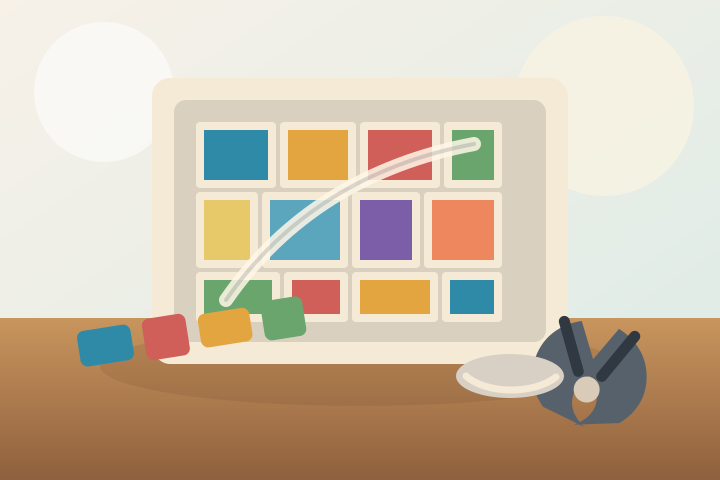 Chalk Pavement Art
A stick of chalk makes a fine line on its edge and a broad stripe on its side. Try both in a small mosaic, using the bare pavement between shapes as part of the design.
- Difficulty
- 1 out of 5
- Cost
- 2 out of 5
- Space
- 5 out of 5
- Social
- 3 out of 5
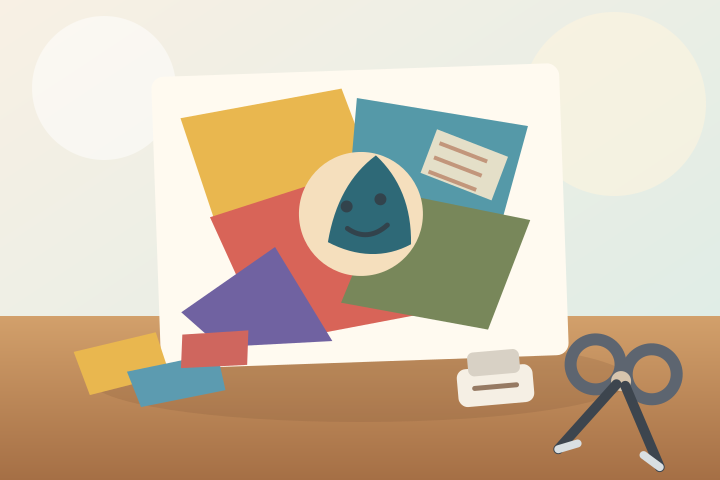 Collage Art
Cut, tear, layer, and arrange paper, photographs, fabric, and found materials into expressive images and compositions.
- Difficulty
- 1 out of 5
- Cost
- 1 out of 5
- Space
- 2 out of 5
- Social
- 2 out of 5
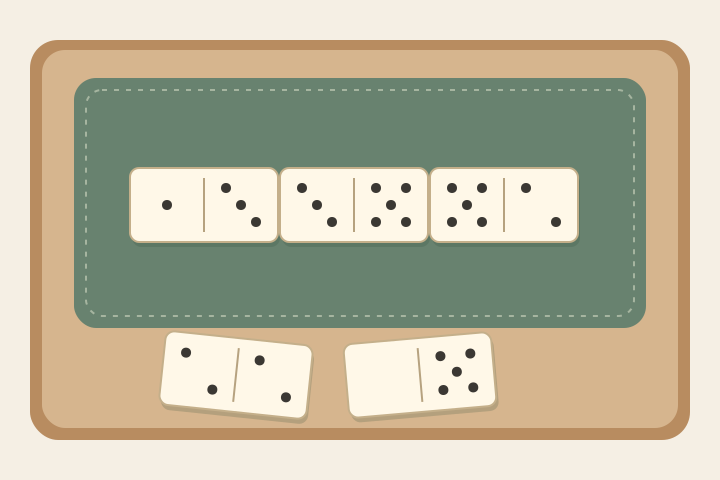 Dominoes
Match dotted tiles, plan your next move, and enjoy a little friendly competition. Dominoes is a compact table hobby with simple starting rules and plenty of room to develop your strategy.
- Difficulty
- 1 out of 5
- Cost
- 1 out of 5
- Space
- 1 out of 5
- Social
- 4 out of 5
 Journaling
Use a notebook or app to think clearly, track patterns, and keep a record of ordinary life.
- Difficulty
- 1 out of 5
- Cost
- 1 out of 5
- Space
- 1 out of 5
- Social
- 1 out of 5
Land Art
A curve of leaves can echo a shadow or follow the edge of a patio. Start with one material and see how much the piece changes when you move just one leaf.
- Difficulty
- 1 out of 5
- Cost
- 1 out of 5
- Space
- 5 out of 5
- Social
- 3 out of 5
 Meditation
Practise attention, breathing, and awareness through short repeatable sessions.
- Difficulty
- 1 out of 5
- Cost
- 1 out of 5
- Space
- 1 out of 5
- Social
- 2 out of 5
 Reading
Build a flexible reading habit through books, essays, comics, audiobooks, and library browsing.
- Difficulty
- 1 out of 5
- Cost
- 1 out of 5
- Space
- 1 out of 5
- Social
- 2 out of 5
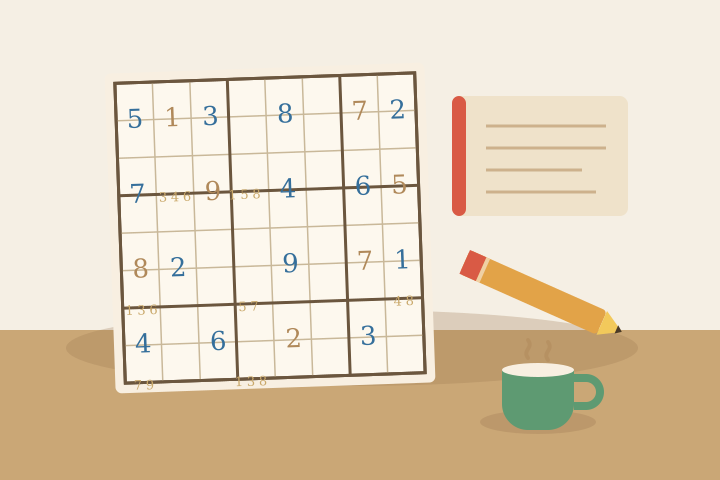 Sudoku
Fill a 9×9 grid so that every row, column, and 3×3 box contains the digits 1 to 9, using pure logic and patient elimination.
- Difficulty
- 1 out of 5
- Cost
- 1 out of 5
- Space
- 1 out of 5
- Social
- 2 out of 5
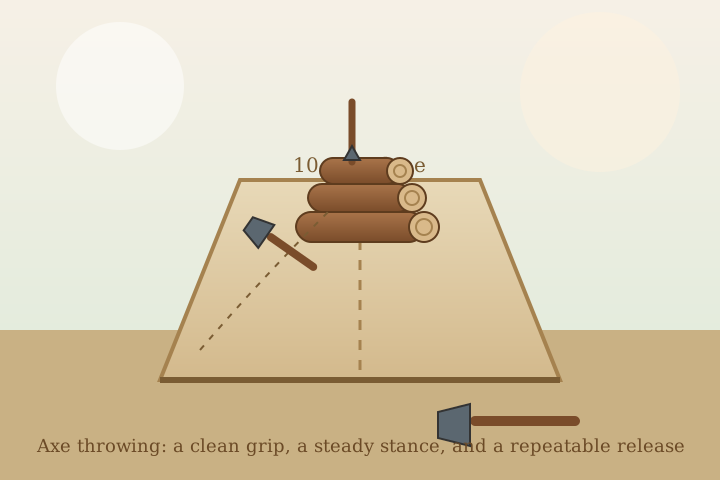 Axe Throwing
Throw steel axes at wooden targets from a marked line, building a repeatable grip, stance, and release at a supervised venue.
- Difficulty
- 2 out of 5
- Cost
- 2 out of 5
- Space
- 5 out of 5
- Social
- 4 out of 5
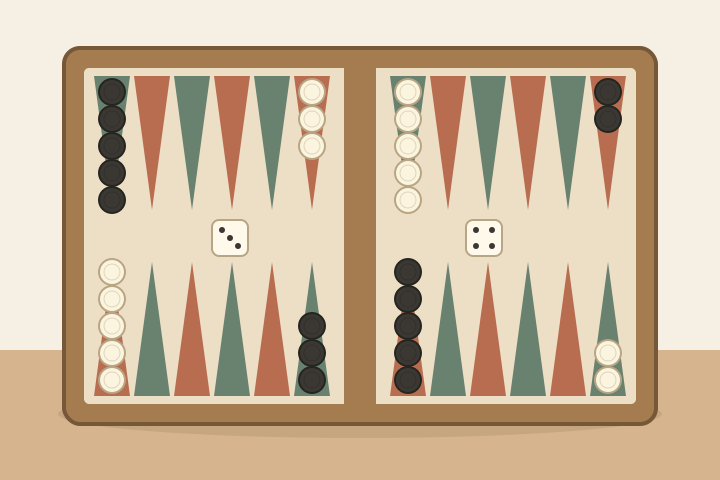 Backgammon
 is a two-player board game that mixes dice, tactical choices, and a race to bring your checkers home. Start with a borrowed set and a friendly game, then learn to balance safety and opportunity.
- Difficulty
- 2 out of 5
- Cost
- 1 out of 5
- Space
- 1 out of 5
- Social
- 3 out of 5
 Basketball
 is a fast team sport of dribbling, passing, and shooting a ball through a 10-foot hoop. Build ball handling, shooting, footwork, and pickup-game confidence with simple repeatable practice.
- Difficulty
- 2 out of 5
- Cost
- 2 out of 5
- Space
- 5 out of 5
- Social
- 5 out of 5
 Beatboxing
Turn mouth sounds into drum grooves, starting with a kick, hi-hat, and snare you can practise in short sessions without buying an instrument.
- Difficulty
- 2 out of 5
- Cost
- 1 out of 5
- Space
- 1 out of 5
- Social
- 3 out of 5
 Board Games
Board games are rule-based games played with other people around a table, from quick card games to long strategy boxes. Start by borrowing or buying one short game that fits your real group.
- Difficulty
- 2 out of 5
- Cost
- 2 out of 5
- Space
- 2 out of 5
- Social
- 5 out of 5
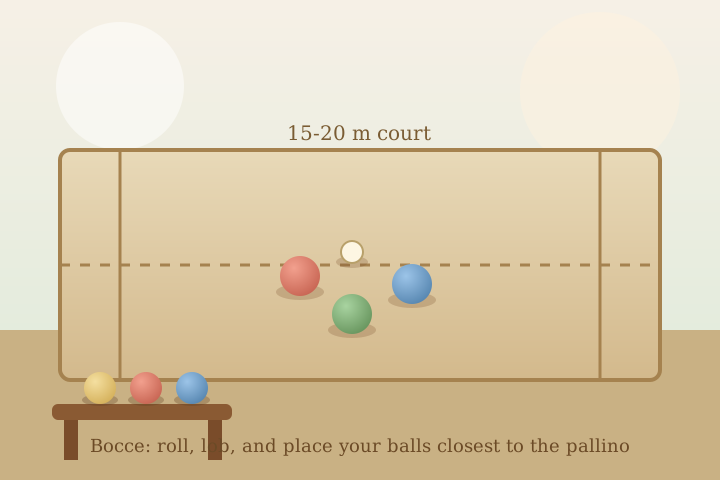 Bocce
Learn throwing styles, court reading, and placement strategy in a gentle lawn game where the closest ball wins.
- Difficulty
- 2 out of 5
- Cost
- 2 out of 5
- Space
- 3 out of 5
- Social
- 5 out of 5
 Bowling
Learn a relaxed precision game through lane etiquette, spare practice, scoring, and social nights.
- Difficulty
- 2 out of 5
- Cost
- 3 out of 5
- Space
- 5 out of 5
- Social
- 5 out of 5
 Candle Painting
Paint motifs, borders, and lettering onto finished candles — a compact, painterly craft for gifts and display.
- Difficulty
- 2 out of 5
- Cost
- 2 out of 5
- Space
- 1 out of 5
- Social
- 2 out of 5
 Coin Collecting
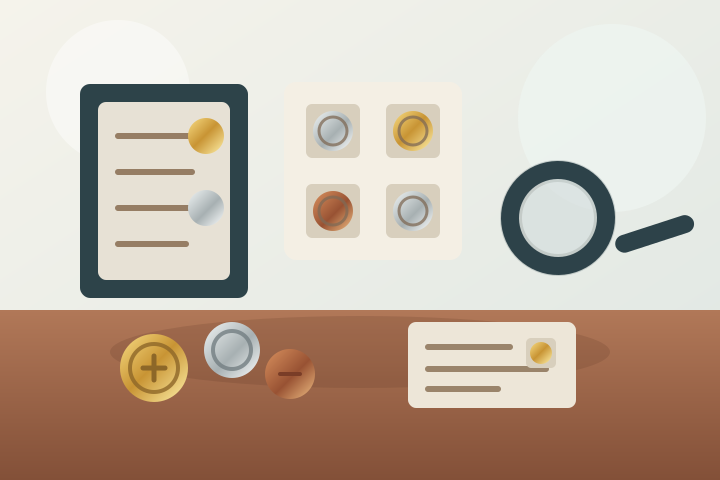
Build a coin collection by learning dates, mint marks, condition, storage, history, and careful buying habits.
- Difficulty
- 2 out of 5
- Cost
- 3 out of 5
- Space
- 1 out of 5
- Social
- 3 out of 5
 Creative Writing
Turn observations, memories, and imagined scenes into poems, stories, and essays.
- Difficulty
- 2 out of 5
- Cost
- 1 out of 5
- Space
- 1 out of 5
- Social
- 3 out of 5
 Croquet
Learn mallet control, hoop running, tactical positioning, and friendly competition on a garden lawn or full-size court.
- Difficulty
- 2 out of 5
- Cost
- 3 out of 5
- Space
- 4 out of 5
- Social
- 4 out of 5
 Crossword Puzzles
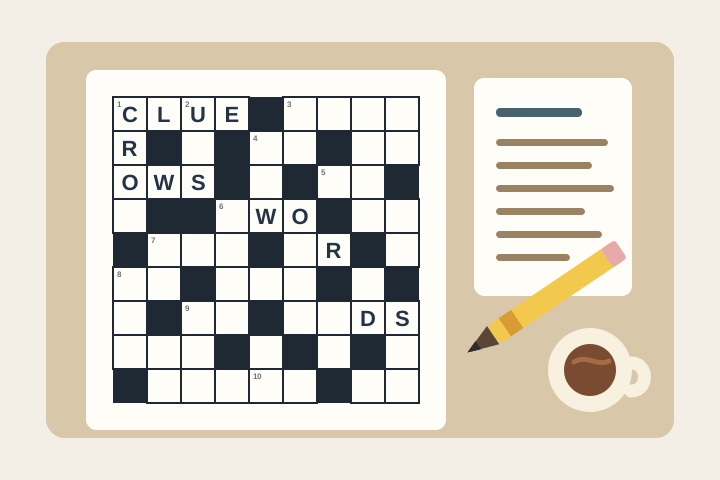
Solve word grids through clues, vocabulary, pattern recognition, and a steady habit of checking crossings.
- Difficulty
- 2 out of 5
- Cost
- 1 out of 5
- Space
- 1 out of 5
- Social
- 2 out of 5
 Cyanotype Printing
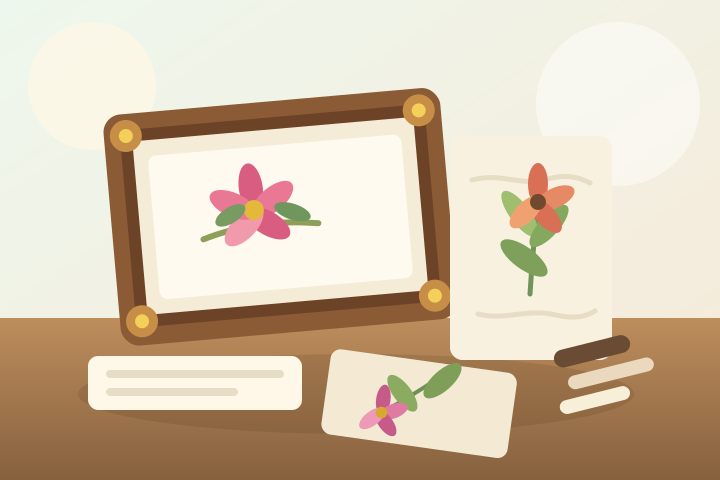
A pressed leaf, a scrap of lace or a paper cutout can become the subject of a photograph. Lay it on light-sensitive paper, expose the sheet to sunlight and rinse it to reveal a pale silhouette against blue.
- Difficulty
- 2 out of 5
- Cost
- 2 out of 5
- Space
- 3 out of 5
- Social
- 3 out of 5
 Cycling
Pedal a bicycle on roads, paths, or trails: build handling, traffic confidence, and basic bike skills through short local rides that can grow into commuting, touring, or group riding.
- Difficulty
- 2 out of 5
- Cost
- 3 out of 5
- Space
- 4 out of 5
- Social
- 4 out of 5
 Dance
Learn rhythm, basic steps, and expression in the style that fits you — from ballet and hip-hop to salsa, swing, and ballroom.
- Difficulty
- 2 out of 5
- Cost
- 2 out of 5
- Space
- 3 out of 5
- Social
- 5 out of 5
 Darts
Throw three darts at a 20-segment board, learn 501 scoring and checkout maths, and build a repeatable, safe throw for pub, club, or home play.
- Difficulty
- 2 out of 5
- Cost
- 2 out of 5
- Space
- 3 out of 5
- Social
- 4 out of 5
 Dodgeball
 suits people who enjoy short bursts of movement and making quick decisions with teammates. A beginner session lets you try throwing, catching and dodging before you commit to a league or buy equipment.
- Difficulty
- 2 out of 5
- Cost
- 2 out of 5
- Space
- 5 out of 5
- Social
- 5 out of 5
 Drawing
Build observation, line control, and visual confidence with simple everyday tools.
- Difficulty
- 2 out of 5
- Cost
- 1 out of 5
- Space
- 1 out of 5
- Social
- 2 out of 5
 Glass Fusing
Arrange a few pieces of coloured glass on a base and a kiln can join them into a single tile. A beginner workshop lets you explore colour and pattern while an instructor handles the firing.
- Difficulty
- 2 out of 5
- Cost
- 3 out of 5
- Space
- 3 out of 5
- Social
- 3 out of 5
 Harmonica
Learn breath control, melody, rhythm, and bluesy expression with a small pocket-sized instrument.
- Difficulty
- 2 out of 5
- Cost
- 1 out of 5
- Space
- 1 out of 5
- Social
- 3 out of 5
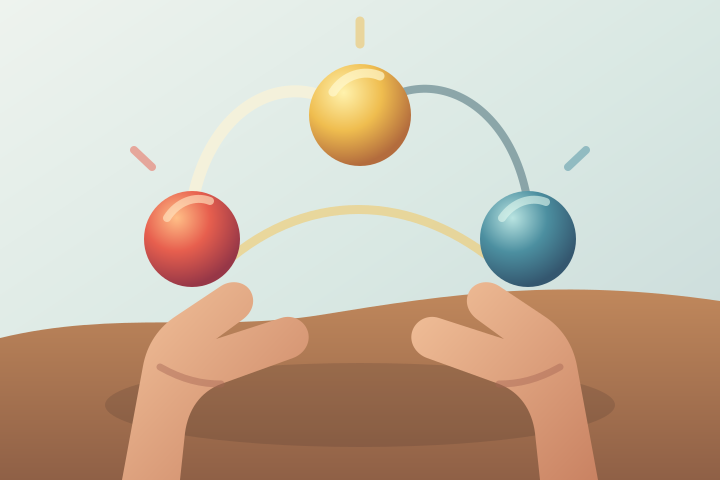 Hula Hooping
The first skill in waist hooping is feeling when the rim meets your belly and giving it a small push on each pass. One hoop and a clear patch of floor are enough to try it on your own or with a friend.
- Difficulty
- 2 out of 5
- Cost
- 2 out of 5
- Space
- 4 out of 5
- Social
- 3 out of 5
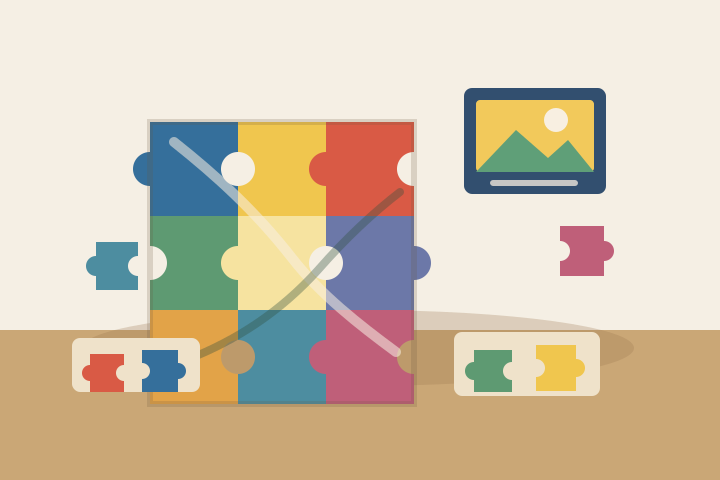 Jigsaw Puzzles
Assemble pictures from interlocking pieces through patient sorting, pattern recognition, and steady table work.
- Difficulty
- 2 out of 5
- Cost
- 2 out of 5
- Space
- 2 out of 5
- Social
- 2 out of 5
 Kalimba
Pluck gentle melodies and ringing chords on a small thumb piano that fits into short practice sessions and a quiet corner at home.
- Difficulty
- 2 out of 5
- Cost
- 1 out of 5
- Space
- 1 out of 5
- Social
- 2 out of 5
 Language Learning
Learn a new language through short, regular sessions: build pronunciation, core phrases, listening, and speaking confidence, from first greetings to real conversations.
- Difficulty
- 2 out of 5
- Cost
- 1 out of 5
- Space
- 1 out of 5
- Social
- 3 out of 5
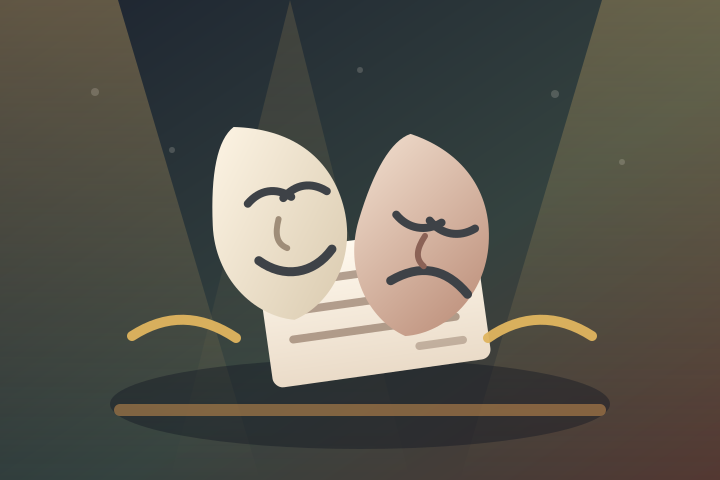 Mime
Can someone tell when you discover your cup is empty, even if there is no cup? Mime uses gesture, gaze and timing to tell that kind of story. You can start seated, practise alone and invite a partner to play the other character.
- Difficulty
- 2 out of 5
- Cost
- 1 out of 5
- Space
- 1 out of 5
- Social
- 3 out of 5
 Ocarina
Play clear, rounded melodies on a small vessel flute while learning finger patterns, steady rhythm, and expressive breath control.
- Difficulty
- 2 out of 5
- Cost
- 1 out of 5
- Space
- 1 out of 5
- Social
- 3 out of 5
 Oral Storytelling
Start with a moment you remember well enough to tell a friend. Three cue words and a few minutes of practice can help you find the story in it.
- Difficulty
- 2 out of 5
- Cost
- 1 out of 5
- Space
- 1 out of 5
- Social
- 5 out of 5
 Papier-Mâché Sculpture
A handful of crumpled newspaper gives a bird its shape. Overlapping strips give it a firm skin. You can adjust the silhouette while the paper is dry, then cover and paint it in short sessions.
- Difficulty
- 2 out of 5
- Cost
- 2 out of 5
- Space
- 3 out of 5
- Social
- 3 out of 5
 Photography
Use a phone or camera to notice light, frame stronger images, and tell visual stories.
- Difficulty
- 2 out of 5
- Cost
- 2 out of 5
- Space
- 1 out of 5
- Social
- 3 out of 5
 Pickleball
Learn paddles, rallies, court positioning, and doubles strategy in a social racket sport with a gentle entry point.
- Difficulty
- 2 out of 5
- Cost
- 2 out of 5
- Space
- 4 out of 5
- Social
- 5 out of 5
 Pilates
A low-impact practice of control, breath, and core strength — from a first 15-minute mat session to the reformer.
- Difficulty
- 2 out of 5
- Cost
- 2 out of 5
- Space
- 2 out of 5
- Social
- 3 out of 5
 Pixel Art
Pixel art suits people who enjoy solving little visual puzzles. A single blank pixel can open up a mug handle, and a few light pixels can turn the same mug into glossy glaze.
- Difficulty
- 2 out of 5
- Cost
- 1 out of 5
- Space
- 1 out of 5
- Social
- 2 out of 5
 Postcard Collecting
Build a postcard collection by learning view cards, real photo cards, and the postcard eras, then sorting, storing, and researching them by place, theme, and condition.
- Difficulty
- 2 out of 5
- Cost
- 1 out of 5
- Space
- 1 out of 5
- Social
- 2 out of 5
 Roller Skating
Learn balance, stopping, turning, and smooth movement on quad or inline skates, from relaxed rink laps to outdoor trails, jam sessions, and dance nights.
- Difficulty
- 2 out of 5
- Cost
- 3 out of 5
- Space
- 3 out of 5
- Social
- 4 out of 5
 Running
Start with walk-run intervals and build a steady, low-cost running habit with clear, measurable progress.
- Difficulty
- 2 out of 5
- Cost
- 2 out of 5
- Space
- 5 out of 5
- Social
- 4 out of 5
Sand Art
A beginner guide to tabletop sand art, focusing on coloured sand pictures and simple layered containers.
- Difficulty
- 2 out of 5
- Cost
- 2 out of 5
- Space
- 3 out of 5
- Social
- 3 out of 5
 Singing
Learn to sing in tune with steady breath, a comfortable range, and clear words, starting with songs you can sing without strain.
- Difficulty
- 2 out of 5
- Cost
- 1 out of 5
- Space
- 1 out of 5
- Social
- 4 out of 5
 Skipping Rope
One clean turn is a good first goal. Skipping suits beginners who enjoy finding a rhythm, have room to swing a rope and like practising a skill for a few minutes at a time.
- Difficulty
- 2 out of 5
- Cost
- 2 out of 5
- Space
- 5 out of 5
- Social
- 3 out of 5
 Soccer
 is an 11-a-side game of passing, positioning, and running played in two 45-minute halves. Build ball control, small-sided game confidence, and casual team play with a ball and safe shoes.
- Difficulty
- 2 out of 5
- Cost
- 2 out of 5
- Space
- 5 out of 5
- Social
- 5 out of 5
Spoken Word Poetry
Start with a sound you remember and a few lines in your own speaking voice. Read them twice and listen for what changes when you move a pause.
- Difficulty
- 2 out of 5
- Cost
- 1 out of 5
- Space
- 1 out of 5
- Social
- 3 out of 5
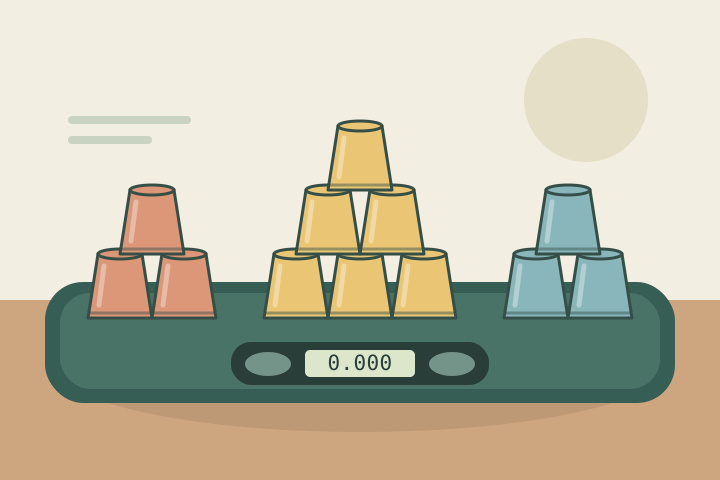 Sport Stacking
Build and collapse cup pyramids in set sequences, developing a smooth rhythm through short practice sessions and friendly races.
- Difficulty
- 2 out of 5
- Cost
- 2 out of 5
- Space
- 1 out of 5
- Social
- 3 out of 5
 Stamp Collecting
Build a stamp collection by learning countries, themes, condition, albums, postal history, and careful buying habits.
- Difficulty
- 2 out of 5
- Cost
- 2 out of 5
- Space
- 1 out of 5
- Social
- 3 out of 5
 String Art
Stretch thread between fixed points and a curve begins to appear between the straight lines. A notched card circle makes a quiet first project that fits on a desk.
- Difficulty
- 2 out of 5
- Cost
- 2 out of 5
- Space
- 1 out of 5
- Social
- 2 out of 5
 Tai Chi
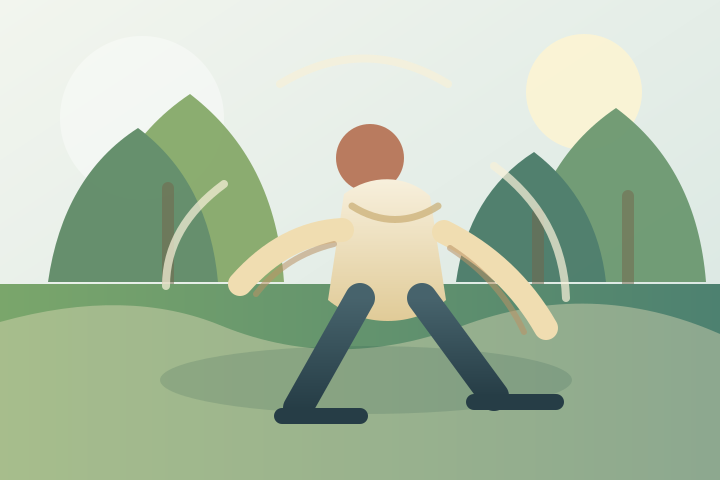
Learn the slow, flowing movements of a Chinese martial art — balance, posture, breath, and attention, from a first ten-minute session to a full form.
- Difficulty
- 2 out of 5
- Cost
- 1 out of 5
- Space
- 2 out of 5
- Social
- 3 out of 5
 Trampolining
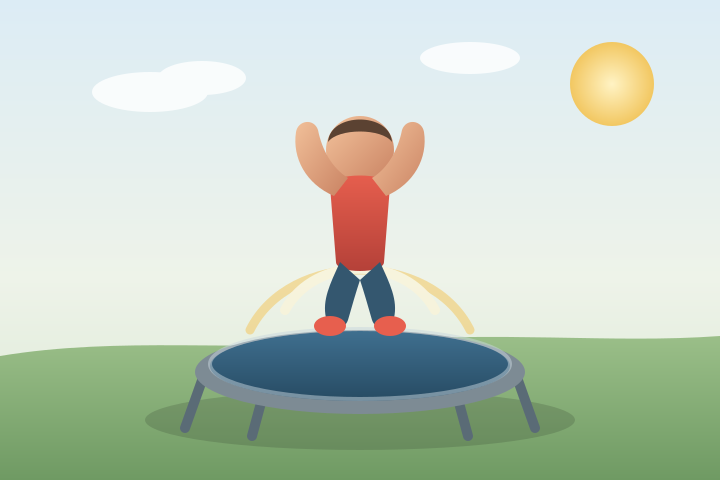
Bounce on a trampoline: build soft landings, body control, and confidence through short, playful sessions that can grow into gymnastics, tumbling, or competitive trampoline.
- Difficulty
- 2 out of 5
- Cost
- 4 out of 5
- Space
- 5 out of 5
- Social
- 3 out of 5
 Ukulele
Learn chords, strumming, and songs on a small four-string instrument that is gentle on the fingers and easy to carry.
- Difficulty
- 2 out of 5
- Cost
- 2 out of 5
- Space
- 1 out of 5
- Social
- 4 out of 5
 Vinyl Collecting
Build a record collection by learning formats, grading, turntable care, storage, listening habits, and careful buying.
- Difficulty
- 2 out of 5
- Cost
- 3 out of 5
- Space
- 2 out of 5
- Social
- 3 out of 5
 Yoga
Start a low-equipment practice of postures, breath, and attention — from a first 15-minute session to finding your style.
- Difficulty
- 2 out of 5
- Cost
- 1 out of 5
- Space
- 2 out of 5
- Social
- 3 out of 5
 Zumba
Build fitness, rhythm, confidence, and social energy through music-led dance workouts.
- Difficulty
- 2 out of 5
- Cost
- 2 out of 5
- Space
- 3 out of 5
- Social
- 5 out of 5
 3D Modelling
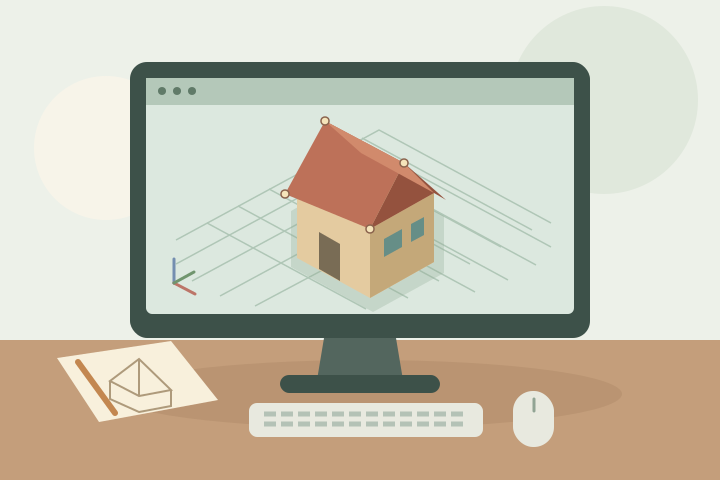
Build digital objects, characters, and miniature worlds by shaping simple forms, refining details, and experimenting with colour and light.
- Difficulty
- 3 out of 5
- Cost
- 2 out of 5
- Space
- 1 out of 5
- Social
- 2 out of 5
Acting
Build character, voice, movement, listening, and emotional range through scenes, scripts, and performance.
- Difficulty
- 3 out of 5
- Cost
- 2 out of 5
- Space
- 2 out of 5
- Social
- 5 out of 5
 Archery — The Beginner's Guide to Getting Started
Everything you need to start archery as a complete beginner — bow types, real costs, what your first session looks like, and the mistakes that trip most newcomers up.
- Difficulty
- 3 out of 5
- Cost
- 3 out of 5
- Space
- 5 out of 5
- Social
- 3 out of 5
 Badminton
Build footwork, timing, rallies, and quick reactions through singles, doubles, or casual garden play.
- Difficulty
- 3 out of 5
- Cost
- 2 out of 5
- Space
- 5 out of 5
- Social
- 5 out of 5
 Ballroom Dancing
Learn partner connection, rhythm, posture, and classic social dances from waltz and foxtrot to tango and cha-cha.
- Difficulty
- 3 out of 5
- Cost
- 2 out of 5
- Space
- 3 out of 5
- Social
- 5 out of 5
 Banjo
Learn bright rhythms, chords, melodies, and picking patterns on a distinctive string instrument.
- Difficulty
- 3 out of 5
- Cost
- 3 out of 5
- Space
- 2 out of 5
- Social
- 4 out of 5
 Baseball
 is a bat-and-ball team sport of batting, fielding, and running the bases. Learn throwing, catching, batting, and game awareness through catch, tee work, and casual play.
- Difficulty
- 3 out of 5
- Cost
- 3 out of 5
- Space
- 5 out of 5
- Social
- 5 out of 5
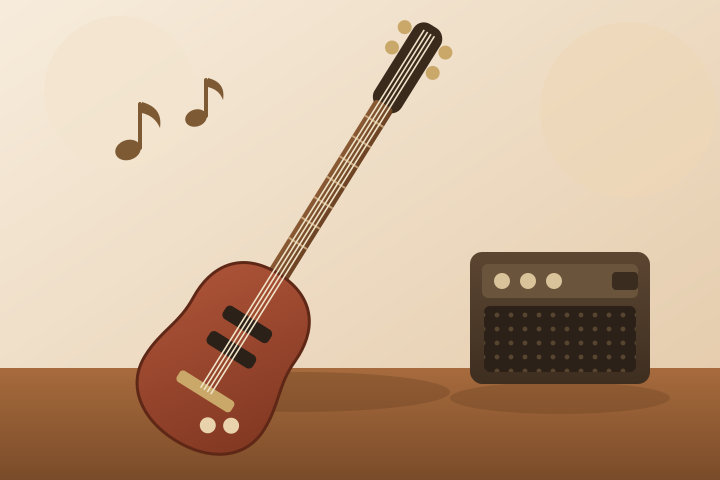 Bass Guitar
Learn the low end of the band on a four-string instrument that anchors rhythm and groove, at home or in a group.
- Difficulty
- 3 out of 5
- Cost
- 3 out of 5
- Space
- 2 out of 5
- Social
- 4 out of 5
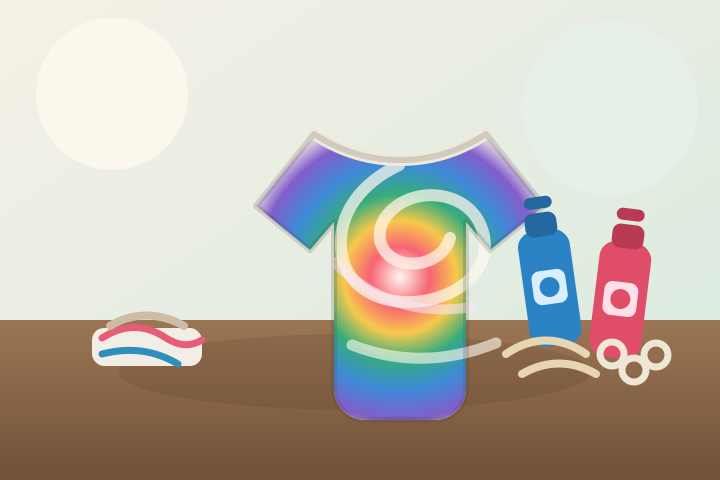 Batik
Create patterned cloth with wax and dye, starting with a small supervised sample and progressing towards layered designs.
- Difficulty
- 3 out of 5
- Cost
- 3 out of 5
- Space
- 4 out of 5
- Social
- 3 out of 5
 Billiards
Build cue control, angles, touch, and calm match play through pool, snooker, or carom games.
- Difficulty
- 3 out of 5
- Cost
- 3 out of 5
- Space
- 4 out of 5
- Social
- 5 out of 5
 Bodybuilding
Train for muscle growth, symmetry, and conditioning through progressive resistance training, from a home start to competition.
- Difficulty
- 3 out of 5
- Cost
- 3 out of 5
- Space
- 3 out of 5
- Social
- 3 out of 5
 Boxing
Build stance, footwork, conditioning, and punch technique through structured bag work or classes.
- Difficulty
- 3 out of 5
- Cost
- 3 out of 5
- Space
- 3 out of 5
- Social
- 4 out of 5
 Calisthenics
Train with your own bodyweight — from a first push-up and pull-up to bars, rings, and street-workout skills.
- Difficulty
- 3 out of 5
- Cost
- 1 out of 5
- Space
- 2 out of 5
- Social
- 2 out of 5
 Calligraphy
Shape letters with a broad-edge pen, pointed nib, or brush, building controlled strokes into words, cards, and decorative pages.
- Difficulty
- 3 out of 5
- Cost
- 1 out of 5
- Space
- 1 out of 5
- Social
- 2 out of 5
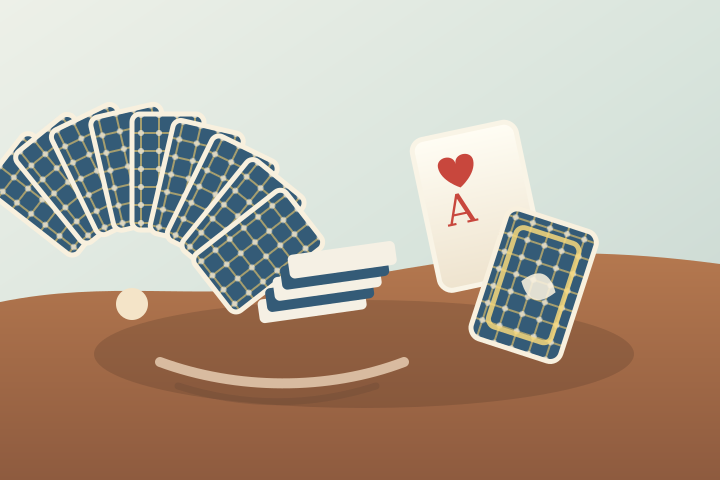 Cardistry
The performance art of playing-card flourishing, with cuts, fans, spreads, and displays performed for their visual beauty rather than deception.
- Difficulty
- 3 out of 5
- Cost
- 1 out of 5
- Space
- 1 out of 5
- Social
- 3 out of 5
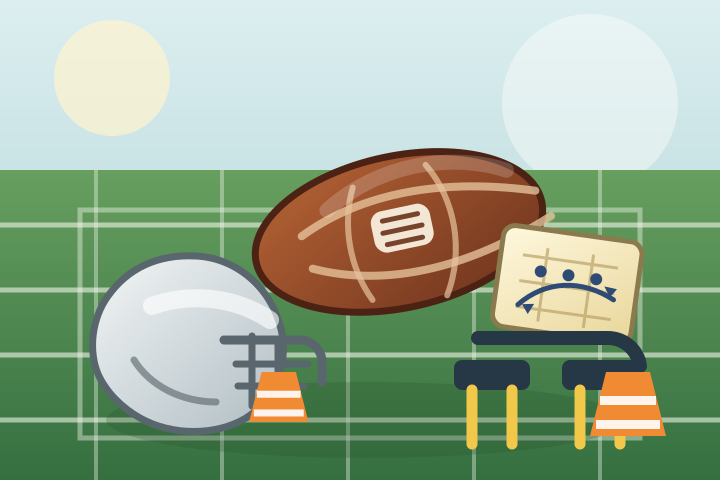 Cheerleading
In cheerleading, a clap, a step or a change of arm position takes its cue from the whole group. Start with a short chant and a few grounded motions, then decide whether you enjoy leading a crowd, learning routines or both.
- Difficulty
- 3 out of 5
- Cost
- 3 out of 5
- Space
- 5 out of 5
- Social
- 5 out of 5
 Chess
Chess is a two-player strategy game on a 64-square board. Learn the rules in one sitting, then improve through puzzles, slow games, and reviewing your own play.
- Difficulty
- 3 out of 5
- Cost
- 1 out of 5
- Space
- 1 out of 5
- Social
- 4 out of 5
 Clarinet
Learn embouchure, breath control, and a rich singing tone on a portable single-reed woodwind at home in jazz, classical, and folk music.
- Difficulty
- 3 out of 5
- Cost
- 3 out of 5
- Space
- 1 out of 5
- Social
- 4 out of 5
 Comics
Tell stories in panels: sequential art where drawings, captions, and pacing carry the narrative.
- Difficulty
- 3 out of 5
- Cost
- 1 out of 5
- Space
- 1 out of 5
- Social
- 3 out of 5
 Cricket
Learn batting, bowling, fielding, teamwork, and match awareness through casual drills and club play.
- Difficulty
- 3 out of 5
- Cost
- 3 out of 5
- Space
- 5 out of 5
- Social
- 5 out of 5
 Curling
Learn stone delivery, sweeping, shot placement, and team strategy in a welcoming precision sport played on ice.
- Difficulty
- 3 out of 5
- Cost
- 3 out of 5
- Space
- 5 out of 5
- Social
- 5 out of 5
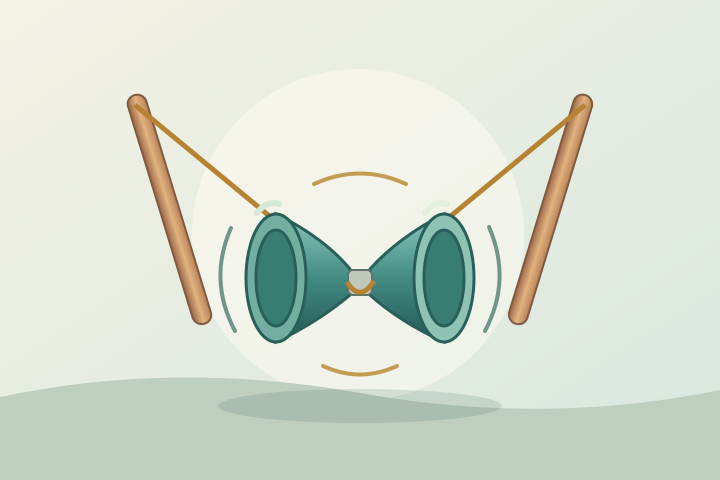 Diabolo
Spin a diabolo on a string between two handsticks, then explore small throws, catches, balances, and playful circus routines.
- Difficulty
- 3 out of 5
- Cost
- 2 out of 5
- Space
- 3 out of 5
- Social
- 3 out of 5
 Digital Illustration
Draw and paint on a screen with a stylus or pen tablet, using layers, undo, and brushes to build sketches, finished art, comics, and design assets.
- Difficulty
- 3 out of 5
- Cost
- 3 out of 5
- Space
- 1 out of 5
- Social
- 3 out of 5
 DJing
Mix tracks, read a room, build sets, and shape transitions for parties, radio, streams, or personal practice.
- Difficulty
- 3 out of 5
- Cost
- 3 out of 5
- Space
- 2 out of 5
- Social
- 5 out of 5
 Drumming
Build rhythm, coordination, timing, and musical energy with sticks, pedals, pads, or a full drum kit.
- Difficulty
- 3 out of 5
- Cost
- 3 out of 5
- Space
- 3 out of 5
- Social
- 4 out of 5
 Fencing
Learn footwork, timing, blade control, and tactical one-on-one sport through coached foil, epee, or sabre practice.
- Difficulty
- 3 out of 5
- Cost
- 3 out of 5
- Space
- 4 out of 5
- Social
- 4 out of 5
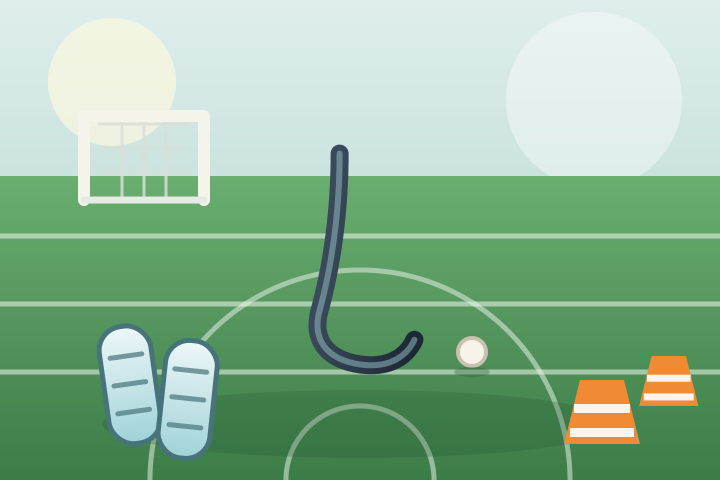 Field Hockey
Learn stick handling, passing, and shooting in a fast team sport played on turf or grass, with corners, penalty strokes, and small-sided games.
- Difficulty
- 3 out of 5
- Cost
- 3 out of 5
- Space
- 5 out of 5
- Social
- 5 out of 5
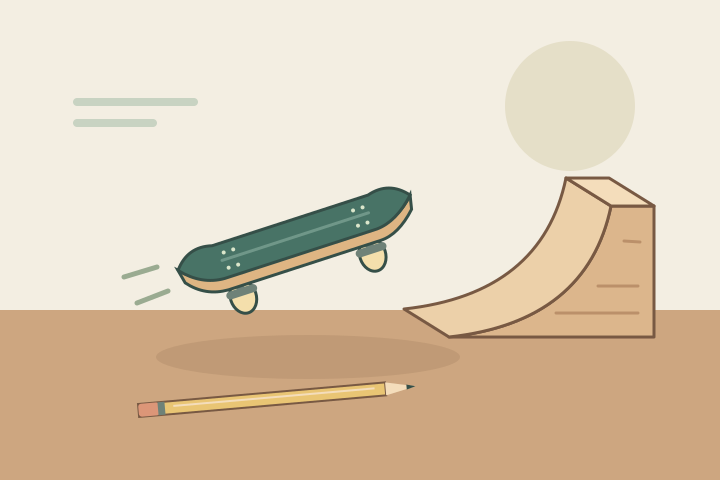 Fingerboarding
Turn a tabletop into a tiny skate spot, learning to roll, balance, pop, and land tricks on a miniature skateboard with two fingers.
- Difficulty
- 3 out of 5
- Cost
- 2 out of 5
- Space
- 1 out of 5
- Social
- 3 out of 5
 Flute
Learn breath control, clear tone, melody, and ensemble playing on a light, portable woodwind instrument.
- Difficulty
- 3 out of 5
- Cost
- 3 out of 5
- Space
- 1 out of 5
- Social
- 4 out of 5
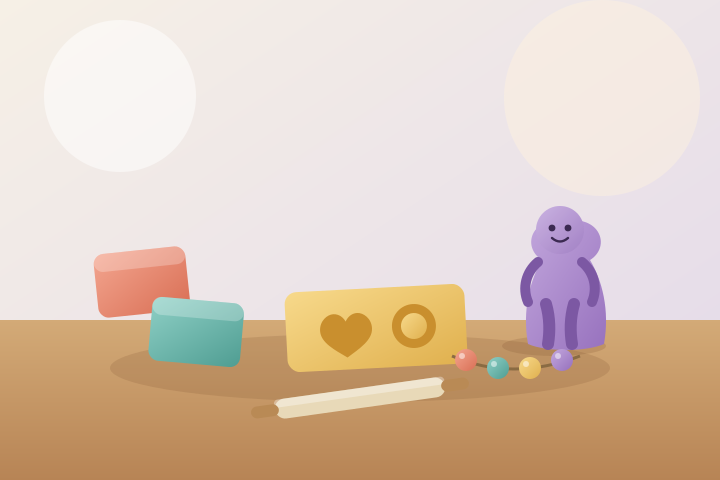 Foam Sculpting
Shape lightweight foam into decorative forms, models and scenery. Start small, identify your material and practise controlled cuts before attempting detailed sculptures.
- Difficulty
- 3 out of 5
- Cost
- 2 out of 5
- Space
- 3 out of 5
- Social
- 2 out of 5
 Game Development
Make tiny playable worlds, puzzles, and interactive stories by combining rules, art, sound, and a little experimentation.
- Difficulty
- 3 out of 5
- Cost
- 1 out of 5
- Space
- 1 out of 5
- Social
- 3 out of 5
 Genealogy
Research family history through records, interviews, archives, DNA clues, and careful source notes.
- Difficulty
- 3 out of 5
- Cost
- 2 out of 5
- Space
- 1 out of 5
- Social
- 2 out of 5
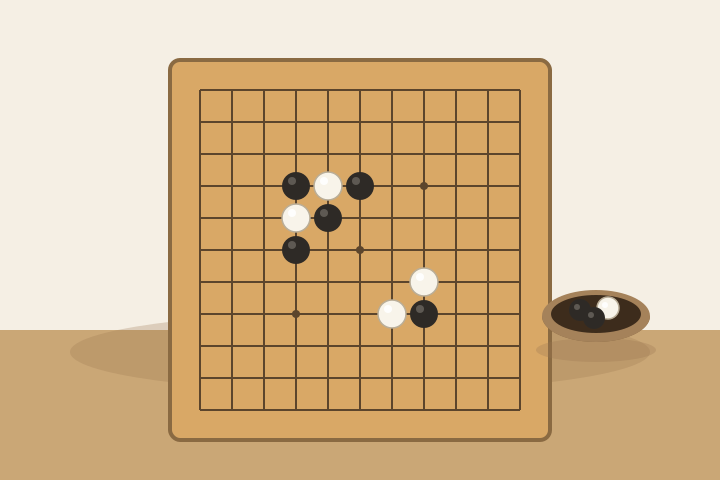 Go
Go is a two-player strategy game played on a grid of intersecting lines. The rules take minutes to learn, but the game rewards calm reading, long-term planning, and a feel for shape.
- Difficulty
- 3 out of 5
- Cost
- 1 out of 5
- Space
- 1 out of 5
- Social
- 3 out of 5
Goalball
Three teammates share a goal that spans the width of the court. Wearing eyeshades, they listen for bells inside the ball to judge where to block. A coached beginner session starts with finding one court line and following one slow roll.
- Difficulty
- 3 out of 5
- Cost
- 2 out of 5
- Space
- 5 out of 5
- Social
- 5 out of 5
 Golf
A walking precision sport: hit a ball into a series of holes with as few strokes as possible, starting with lessons, range sessions, and short rounds.
- Difficulty
- 3 out of 5
- Cost
- 4 out of 5
- Space
- 5 out of 5
- Social
- 4 out of 5
 Guitar
Learn chords, rhythm, and songs on a portable six-string instrument that can stay private at home or become social.
- Difficulty
- 3 out of 5
- Cost
- 3 out of 5
- Space
- 2 out of 5
- Social
- 4 out of 5
Gymnastics
A first gymnastics goal can be as simple as stepping into a balance and holding it long enough to choose when to step out. A coached recreational class gives you space to practise and someone who can help you work out what to change on the next turn.
- Difficulty
- 3 out of 5
- Cost
- 3 out of 5
- Space
- 5 out of 5
- Social
- 4 out of 5
Handball
Learn passing, shooting, and fast team transitions in a high-tempo court sport played with your hands.
- Difficulty
- 3 out of 5
- Cost
- 2 out of 5
- Space
- 5 out of 5
- Social
- 5 out of 5
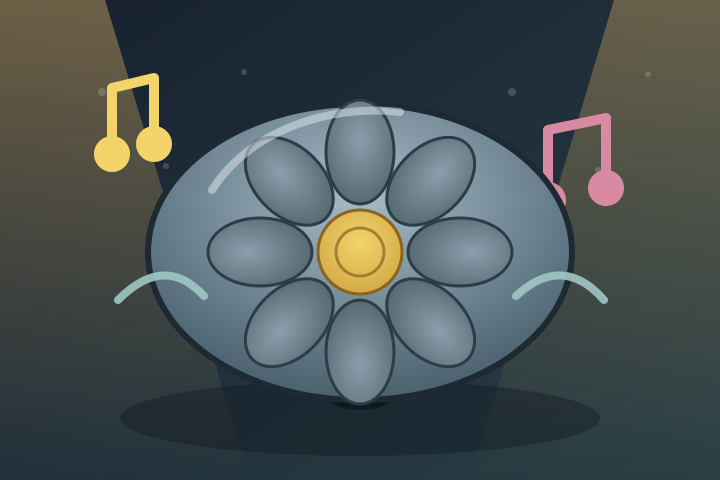 Handpan
Play a bell-like steel dome with your hands, making warm, resonant tones that are easy to start on but rewarding to master.
- Difficulty
- 3 out of 5
- Cost
- 5 out of 5
- Space
- 1 out of 5
- Social
- 4 out of 5
 Historical Reenactment
Research, costume, and portray past eras through living history events, demonstrations, and group scenarios.
- Difficulty
- 3 out of 5
- Cost
- 3 out of 5
- Space
- 3 out of 5
- Social
- 5 out of 5
 Home Recording
Capture vocals, instruments, podcasts, demos, and sound ideas with a small recording setup at home.
- Difficulty
- 3 out of 5
- Cost
- 3 out of 5
- Space
- 2 out of 5
- Social
- 3 out of 5
 Ice Skating
Learn balance, gliding, stopping, and edge control on ice, from relaxed public sessions to figure skating, hockey, or speed skating.
- Difficulty
- 3 out of 5
- Cost
- 3 out of 5
- Space
- 4 out of 5
- Social
- 4 out of 5
 Improv Comedy
Create unscripted scenes, characters, and jokes with a group through listening, quick choices, and playful teamwork.
- Difficulty
- 3 out of 5
- Cost
- 2 out of 5
- Space
- 2 out of 5
- Social
- 5 out of 5
Juggling
Learn to keep balls, scarves, rings, or clubs moving through steady throws, catches, patterns, and playful practice.
- Difficulty
- 3 out of 5
- Cost
- 1 out of 5
- Space
- 2 out of 5
- Social
- 4 out of 5
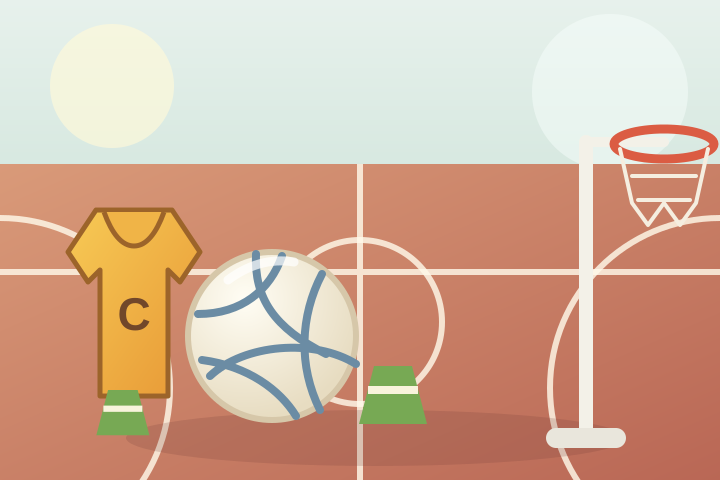 Korfball
 suits beginners who enjoy working with teammates. A well-timed run can open up a shot for someone else, so you can contribute while you learn to shoot.
- Difficulty
- 3 out of 5
- Cost
- 2 out of 5
- Space
- 5 out of 5
- Social
- 5 out of 5
Life Drawing
A tilted shoulder or the position of a foot can tell you how someone is standing. Life drawing starts with noticing those clues while a person poses.
- Difficulty
- 3 out of 5
- Cost
- 2 out of 5
- Space
- 1 out of 5
- Social
- 4 out of 5
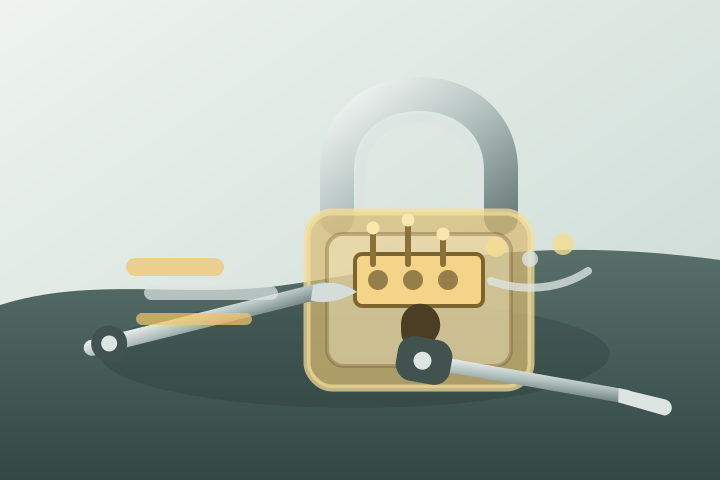 Lockpicking
Learn the puzzle side of locks through legal practice, tactile feedback, patient technique, and careful ethics.
- Difficulty
- 3 out of 5
- Cost
- 2 out of 5
- Space
- 1 out of 5
- Social
- 3 out of 5
 Magic Tricks
The art of creating impossible-seeming effects with cards, coins, and everyday objects — from self-working tricks and sleight of hand to performing for an audience.
- Difficulty
- 3 out of 5
- Cost
- 1 out of 5
- Space
- 1 out of 5
- Social
- 4 out of 5
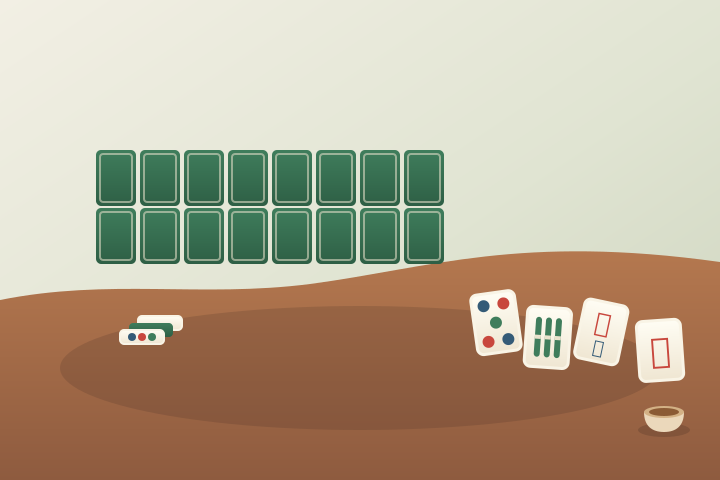 Mahjong
Draw, discard, and shape a hand of tiles into four melds and a pair in a classic Chinese tile game of memory, odds, and reading your opponents.
- Difficulty
- 3 out of 5
- Cost
- 2 out of 5
- Space
- 2 out of 5
- Social
- 4 out of 5
 Mandolin
Learn bright melodies, rhythmic chords, and ensemble playing on a compact string instrument.
- Difficulty
- 3 out of 5
- Cost
- 3 out of 5
- Space
- 1 out of 5
- Social
- 4 out of 5
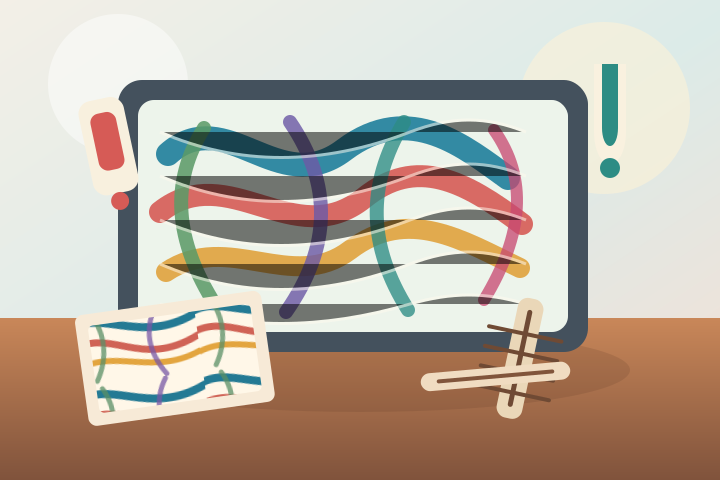 Marbling Art
Float pigment on a prepared water bath, comb it into flowing patterns, and lift the design onto paper, fabric, or other surfaces.
- Difficulty
- 3 out of 5
- Cost
- 2 out of 5
- Space
- 2 out of 5
- Social
- 2 out of 5
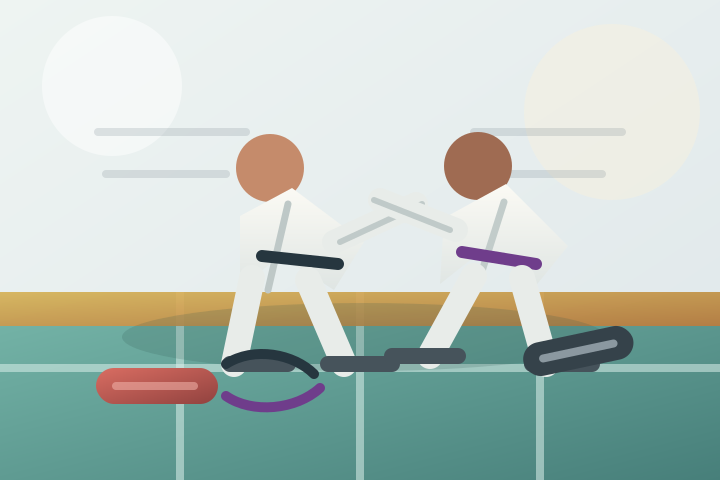 Martial Arts
Train striking, grappling, or hybrid systems in a coached class, from judo and karate to Brazilian jiu-jitsu and kickboxing.
- Difficulty
- 3 out of 5
- Cost
- 3 out of 5
- Space
- 3 out of 5
- Social
- 4 out of 5
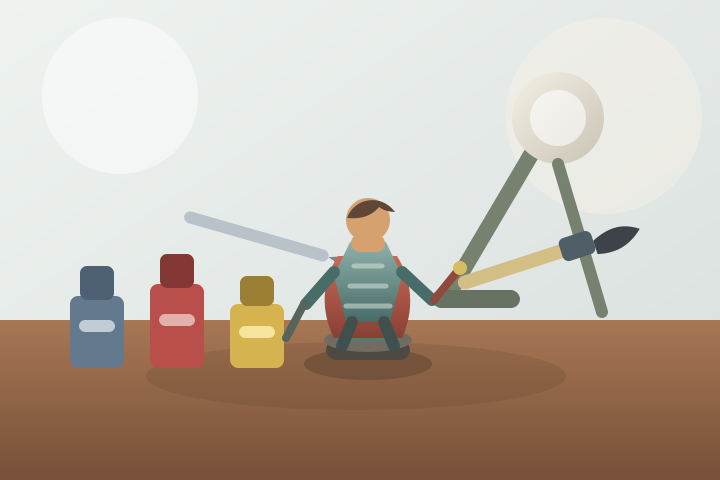 Miniature Painting
Paint tiny figures, terrain, and display pieces with careful colour, brush control, and detail work.
- Difficulty
- 3 out of 5
- Cost
- 3 out of 5
- Space
- 1 out of 5
- Social
- 3 out of 5
Mosaic Art
Arrange tile, glass, stone, ceramic, or found pieces into durable images, patterns, panels, and decorative objects.
- Difficulty
- 3 out of 5
- Cost
- 3 out of 5
- Space
- 2 out of 5
- Social
- 3 out of 5
 Mountain Biking
Ride a mountain bike on trails and rough ground: build handling, braking, and line choice on beginner routes that can grow into technical singletrack, bike parks, or cross-country riding.
- Difficulty
- 3 out of 5
- Cost
- 4 out of 5
- Space
- 5 out of 5
- Social
- 4 out of 5
Netball
Netball is a fast 7-a-side court sport of passing, pivoting, and shooting at a raised ring with no dribbling. Build passing, footwork, and position play with a low-cost, welcoming entry.
- Difficulty
- 3 out of 5
- Cost
- 2 out of 5
- Space
- 5 out of 5
- Social
- 5 out of 5
 Padel
Learn lively doubles rallies, glass-wall rebounds, and teamwork in a compact, sociable racket sport.
- Difficulty
- 3 out of 5
- Cost
- 3 out of 5
- Space
- 5 out of 5
- Social
- 5 out of 5
 Painting
Choose a medium — acrylic, oil, watercolour, or gouache — and build colour, value, and composition through small studies.
- Difficulty
- 3 out of 5
- Cost
- 2 out of 5
- Space
- 2 out of 5
- Social
- 2 out of 5
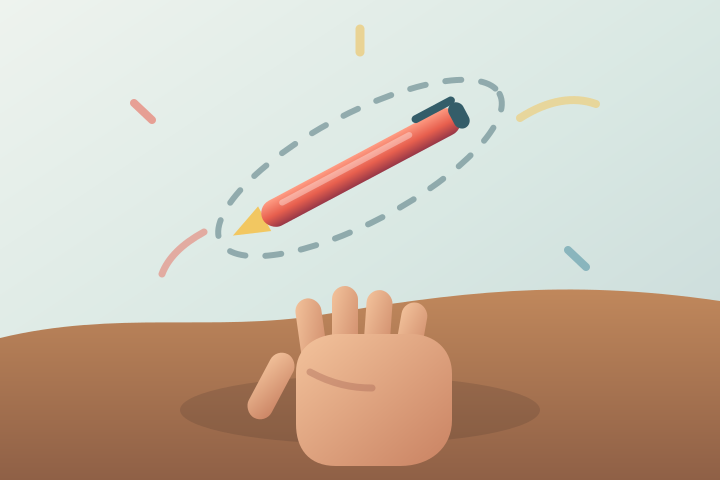 Pen Spinning
Learn to keep a pen spinning smoothly on your fingers with control tricks, transitions, and steady one-handed practice.
- Difficulty
- 3 out of 5
- Cost
- 1 out of 5
- Space
- 1 out of 5
- Social
- 3 out of 5
 Piano
Learn melody, rhythm, harmony, and hand coordination on an 88-key instrument that makes musical structure visible.
- Difficulty
- 3 out of 5
- Cost
- 3 out of 5
- Space
- 2 out of 5
- Social
- 3 out of 5
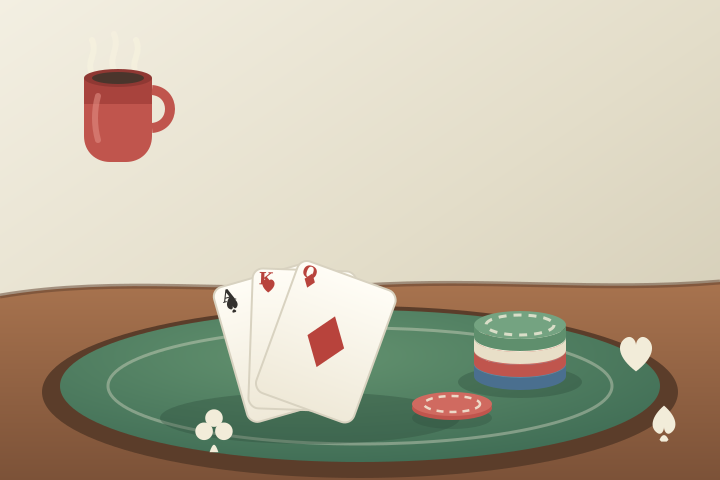 Poker
Play cards against other people: learn hand rankings, betting rounds, and reading the table, starting with casual home games and friendly low-stakes play.
- Difficulty
- 3 out of 5
- Cost
- 2 out of 5
- Space
- 1 out of 5
- Social
- 5 out of 5
 Printmaking
Carve, etch, or screen an image and pull repeatable editions from one block, plate, or screen.
- Difficulty
- 3 out of 5
- Cost
- 2 out of 5
- Space
- 3 out of 5
- Social
- 3 out of 5
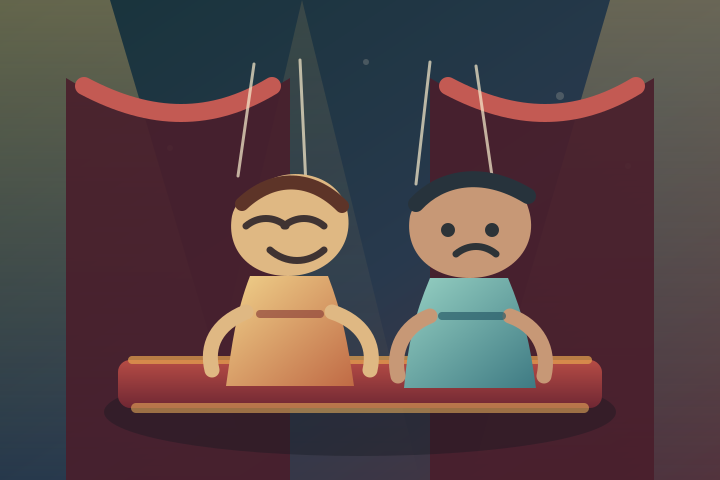 Puppetry
Build, move, and voice characters through hand puppets, shadow theatre, marionettes, masks, or tabletop performance.
- Difficulty
- 3 out of 5
- Cost
- 2 out of 5
- Space
- 2 out of 5
- Social
- 4 out of 5
Pysanky Egg Decorating
Learn to plan and write simple wax-resist egg designs, with a manageable first project and room to develop finer skills.
- Difficulty
- 3 out of 5
- Cost
- 3 out of 5
- Space
- 3 out of 5
- Social
- 3 out of 5
 Resin Art
Combine resin, pigments, moulds, and careful curing to make glossy artwork, jewellery, coasters, and decorative pieces.
- Difficulty
- 3 out of 5
- Cost
- 3 out of 5
- Space
- 2 out of 5
- Social
- 2 out of 5
 Rock Climbing
Start on indoor bouldering walls or top-rope routes — what a first session looks like, real costs, key terms, and the safety basics to learn before buying gear.
- Difficulty
- 3 out of 5
- Cost
- 3 out of 5
- Space
- 5 out of 5
- Social
- 4 out of 5
 Scratchboard Art
Reveal light marks on a dark surface to build drawings through lines and texture. Start small, practise tool control and develop detail gradually.
- Difficulty
- 3 out of 5
- Cost
- 2 out of 5
- Space
- 1 out of 5
- Social
- 2 out of 5
Sepak Takraw
A good first touch makes the next player's job easier. Start by lifting a dropped ball gently enough to catch it yourself, then practise sending that same easy ball to a partner.
- Difficulty
- 3 out of 5
- Cost
- 2 out of 5
- Space
- 5 out of 5
- Social
- 5 out of 5
Signwriting
A pencil, a flat brush and one colour are enough to try signwriting on paper. Start with four capitals, then use what you learn about strokes and spacing to design a sign for your own shelf or doorway.
- Difficulty
- 3 out of 5
- Cost
- 2 out of 5
- Space
- 3 out of 5
- Social
- 2 out of 5
 Silk Painting
Start with a small silk sample and a compatible colour system, practise simple designs, and learn the correct fixing process before making wearable pieces.
- Difficulty
- 3 out of 5
- Cost
- 3 out of 5
- Space
- 3 out of 5
- Social
- 3 out of 5
Silverpoint Drawing
A quiet drawing hobby using a silver stylus on a specially prepared surface, suited to patient practice and subtle line work.
- Difficulty
- 3 out of 5
- Cost
- 3 out of 5
- Space
- 1 out of 5
- Social
- 2 out of 5
 Skateboarding
Learn balance, pushing, turning, and stopping on a skateboard, from flat-ground basics to street, park, and longboard riding.
- Difficulty
- 3 out of 5
- Cost
- 3 out of 5
- Space
- 3 out of 5
- Social
- 4 out of 5
 Slacklining
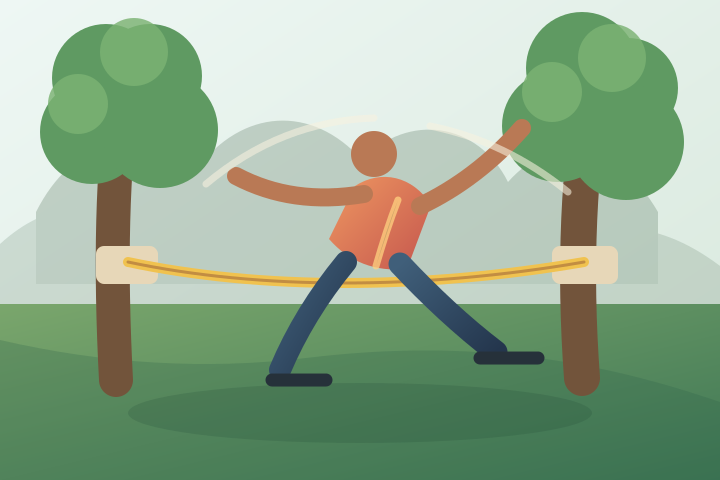
Balance and walk on a low, stretchy webbing line between two anchors — what a first session looks like, real costs, key terms, and the safety basics to learn before rigging your own line.
- Difficulty
- 3 out of 5
- Cost
- 2 out of 5
- Space
- 4 out of 5
- Social
- 4 out of 5
 Softball
 is a bat-and-ball team sport of underhand pitching, batting, and fielding on a diamond. Build throwing, catching, and swing timing with a welcoming, low-cost entry.
- Difficulty
- 3 out of 5
- Cost
- 2 out of 5
- Space
- 5 out of 5
- Social
- 5 out of 5
 Speedcubing
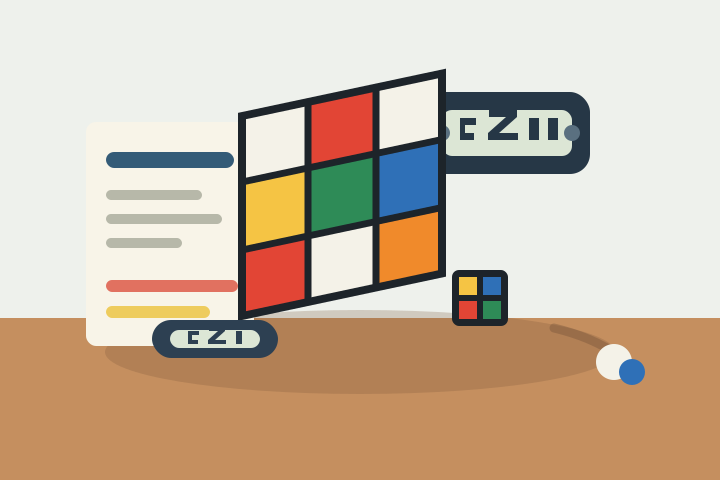
Solve twisty puzzles quickly through algorithms, finger tricks, inspection, and steady timed practice.
- Difficulty
- 3 out of 5
- Cost
- 2 out of 5
- Space
- 1 out of 5
- Social
- 3 out of 5
 Swimming
Learn to float, breathe, and swim one stroke well in a supervised pool, then build distance, fitness, and water confidence at your own pace.
- Difficulty
- 3 out of 5
- Cost
- 2 out of 5
- Space
- 5 out of 5
- Social
- 3 out of 5
 Table Tennis
Build touch, spin, reflexes, and fast rallies with a compact racket sport that works indoors.
- Difficulty
- 3 out of 5
- Cost
- 2 out of 5
- Space
- 4 out of 5
- Social
- 5 out of 5
 Tabletop Role-Playing Games
Tabletop role-playing games are shared, dice-driven stories: one person describes the world, everyone else plays a character, and the group decides what happens next. Start with a free quickstart and a one-shot evening.
- Difficulty
- 3 out of 5
- Cost
- 2 out of 5
- Space
- 2 out of 5
- Social
- 5 out of 5
 Tennis
Build footwork, timing, rallies, and friendly competition on a court with simple starter gear.
- Difficulty
- 3 out of 5
- Cost
- 3 out of 5
- Space
- 5 out of 5
- Social
- 5 out of 5
Triathlon
Start with the sport you know best, practise the other two on separate days, then try the change from bike to run. A pool-based event or a relay can give your first month a focus.
- Difficulty
- 3 out of 5
- Cost
- 3 out of 5
- Space
- 5 out of 5
- Social
- 3 out of 5
 Ultimate Frisbee
Learn disc throws, cutting, catching, spacing, and team flow through a fast self-officiated field sport.
- Difficulty
- 3 out of 5
- Cost
- 2 out of 5
- Space
- 5 out of 5
- Social
- 5 out of 5
 Urban Sketching
Draw the places you live and travel to, on location and from direct observation, with a pocket kit.
- Difficulty
- 3 out of 5
- Cost
- 1 out of 5
- Space
- 1 out of 5
- Social
- 3 out of 5
 Volleyball
Build serving, passing, timing, teamwork, and court awareness through indoor or outdoor play.
- Difficulty
- 3 out of 5
- Cost
- 2 out of 5
- Space
- 5 out of 5
- Social
- 5 out of 5
 Watch Collecting
Build a thoughtful collection of watches by learning styles, movements, condition, value, and personal taste.
- Difficulty
- 3 out of 5
- Cost
- 4 out of 5
- Space
- 1 out of 5
- Social
- 3 out of 5
 Water Polo
Learn to tread water, pass, and shoot in a supervised pool, then build up to a full game with a club or team where fitness, teamwork, and water confidence meet.
- Difficulty
- 3 out of 5
- Cost
- 3 out of 5
- Space
- 5 out of 5
- Social
- 5 out of 5
 Watercolour
Learn transparent colour, quick decisions, and compact painting studies.
- Difficulty
- 3 out of 5
- Cost
- 2 out of 5
- Space
- 1 out of 5
- Social
- 2 out of 5
 Yo-Yoing
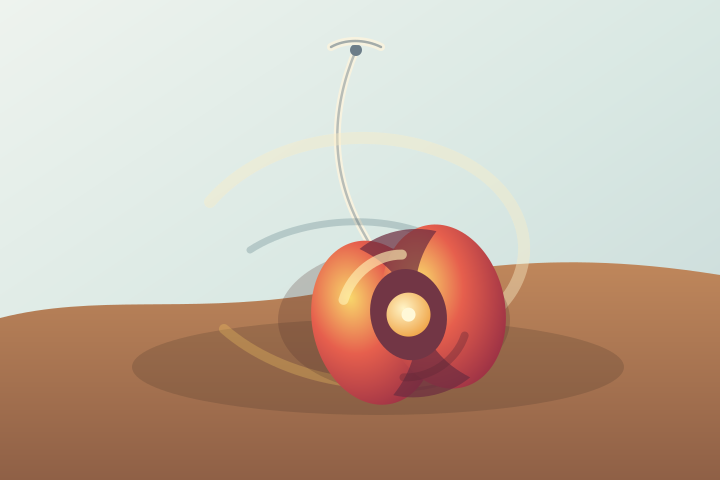
Learn to throw, sleep, and return a yo-yo on a string, then build up to binds, loops, and full routines with cheap, portable gear.
- Difficulty
- 3 out of 5
- Cost
- 2 out of 5
- Space
- 1 out of 5
- Social
- 3 out of 5
 Accordion
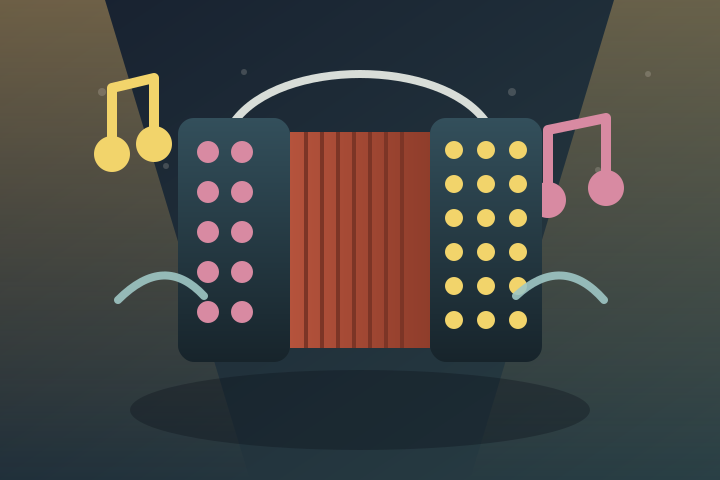
Learn melody, chords, and bellows control on a portable free-reed instrument that fills a room with warm, expressive sound.
- Difficulty
- 4 out of 5
- Cost
- 4 out of 5
- Space
- 2 out of 5
- Social
- 4 out of 5
Aerial Silks
Aerial silks combines climbing with choreography on two lengths of hanging fabric. A beginner class gives you time to learn how the fabric supports your weight and how to return to the mat with control.
- Difficulty
- 4 out of 5
- Cost
- 3 out of 5
- Space
- 5 out of 5
- Social
- 4 out of 5
 Airbrushing
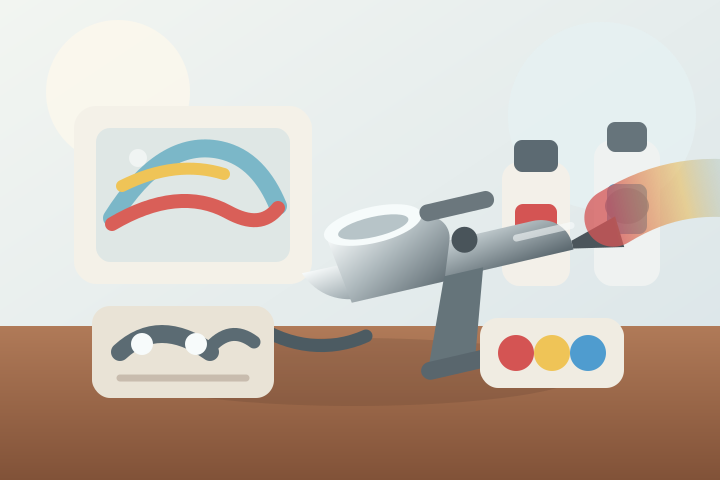
Use a fine paint spray to build smooth gradients, crisp stencils, model finishes, murals, and custom surfaces.
- Difficulty
- 4 out of 5
- Cost
- 4 out of 5
- Space
- 2 out of 5
- Social
- 2 out of 5
American Football
American football is a team sport of set plays, downs, and scoring drives, usually started through low-contact flag football. Build throwing, catching, route running, and field awareness before deciding whether tackle play is for you.
- Difficulty
- 4 out of 5
- Cost
- 4 out of 5
- Space
- 5 out of 5
- Social
- 5 out of 5
Artistic Swimming
A first duet can be as simple as two swimmers floating on their backs and beginning to travel on the same beat. Artistic swimming brings together control in the water, rhythm and the pleasure of getting a movement just right with someone else.
- Difficulty
- 4 out of 5
- Cost
- 3 out of 5
- Space
- 5 out of 5
- Social
- 5 out of 5
 Bridge
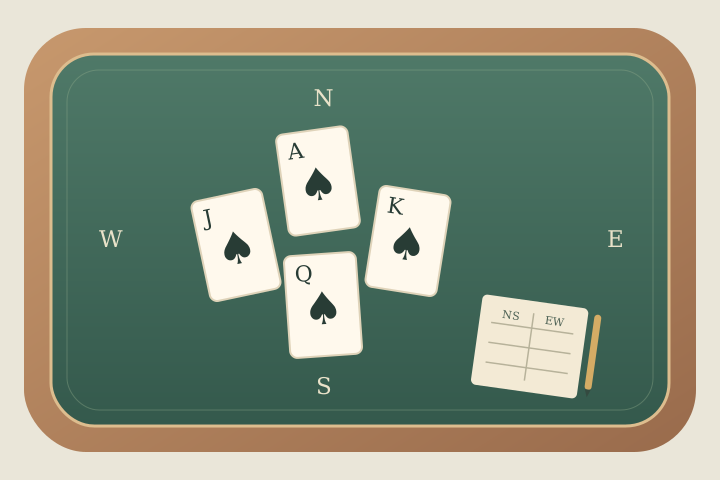
A partnership card game of planning, bidding, and shared problem-solving. Start with MiniBridge, then build towards friendly home games or a regular club table.
- Difficulty
- 4 out of 5
- Cost
- 1 out of 5
- Space
- 1 out of 5
- Social
- 5 out of 5
 Cello
Develop rich tone, bow control, accurate pitch, and expressive playing on a resonant string instrument.
- Difficulty
- 4 out of 5
- Cost
- 4 out of 5
- Space
- 2 out of 5
- Social
- 4 out of 5
Encaustic Painting
Paint with heated wax and build layered surfaces. Begin with a taught workshop to explore the medium before investing in a home studio.
- Difficulty
- 4 out of 5
- Cost
- 4 out of 5
- Space
- 4 out of 5
- Social
- 3 out of 5
 Harp
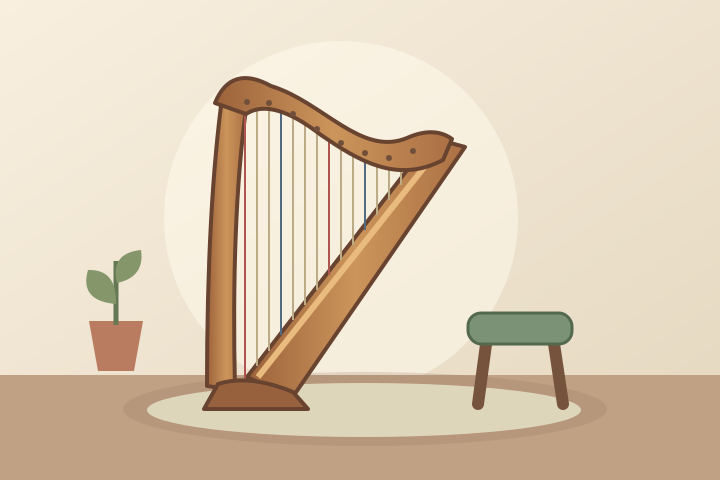
Pluck melodies and flowing chords on a resonant string instrument, with a lever harp offering a welcoming route into solo and shared music.
- Difficulty
- 4 out of 5
- Cost
- 4 out of 5
- Space
- 3 out of 5
- Social
- 3 out of 5
 Ice Hockey
Learn skating, stickhandling, passing, and shooting on ice, from casual learn-to-play sessions to pickup games and club teams.
- Difficulty
- 4 out of 5
- Cost
- 4 out of 5
- Space
- 4 out of 5
- Social
- 5 out of 5
 Lacrosse
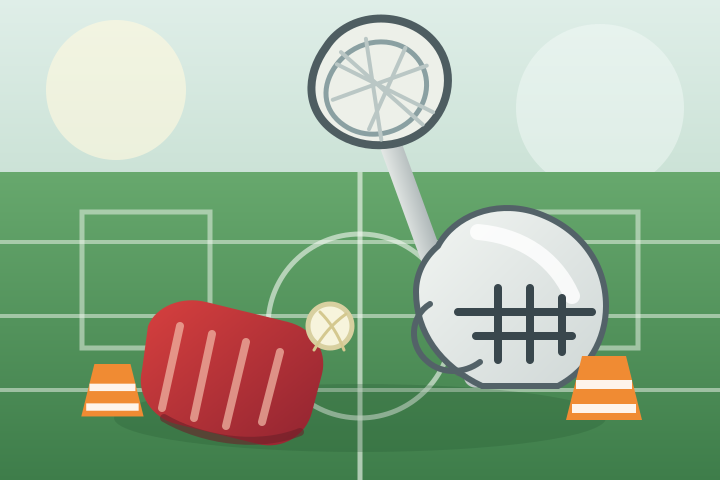
 is a fast team sport of catching, cradling, and throwing a ball with a netted stick to score on a goal. Build stick skills, ground balls, and game awareness through clinics, clubs, and leagues.
- Difficulty
- 4 out of 5
- Cost
- 4 out of 5
- Space
- 5 out of 5
- Social
- 5 out of 5
 Music Production
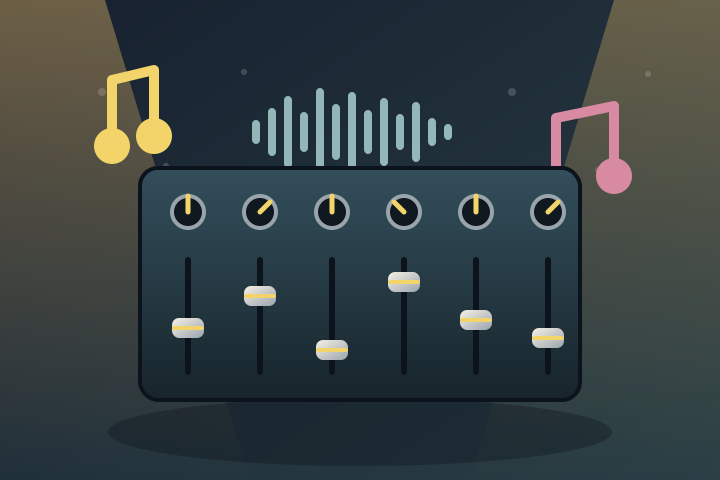
Compose, record, arrange, and mix songs and sound projects with a DAW, instruments, and a small home setup.
- Difficulty
- 4 out of 5
- Cost
- 3 out of 5
- Space
- 2 out of 5
- Social
- 3 out of 5
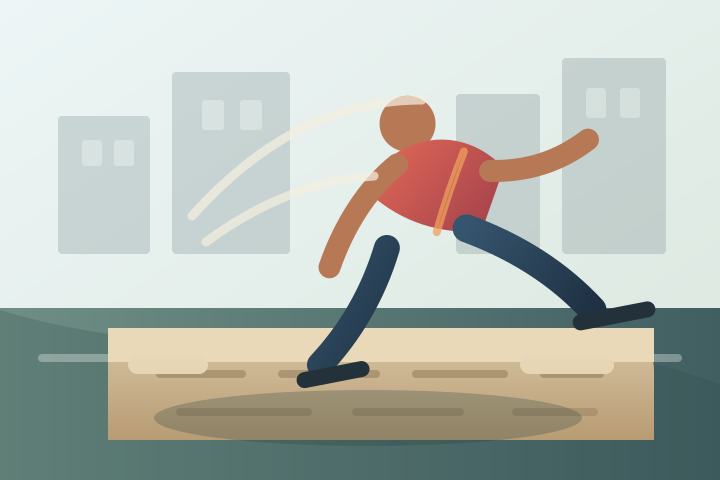 Parkour
 trains you to move through your environment efficiently or creatively. Start with landings, rolls, balance, and low vaults in coached or careful settings.
- Difficulty
- 4 out of 5
- Cost
- 2 out of 5
- Space
- 4 out of 5
- Social
- 4 out of 5
Polo
A demanding, social equestrian team sport with a practical entry through polo schools. Begin with supervised lessons and hired school ponies before considering regular club play or ownership.
- Difficulty
- 4 out of 5
- Cost
- 4 out of 5
- Space
- 5 out of 5
- Social
- 5 out of 5
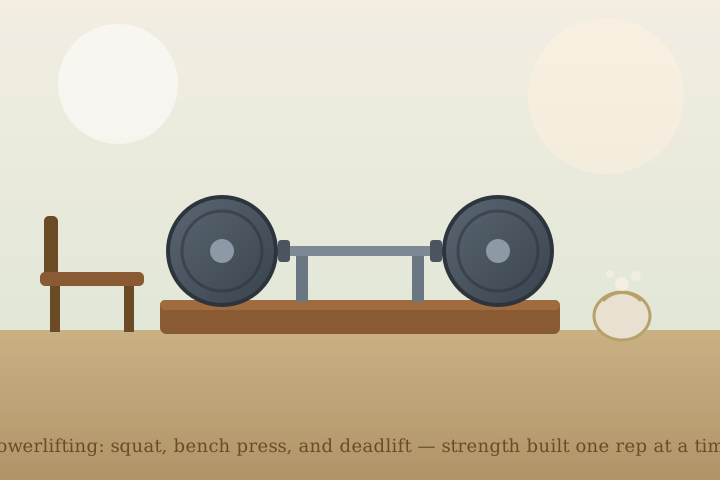 Powerlifting
Learn the squat, bench press, and deadlift with safe technique and steady, measurable strength gains at the gym.
- Difficulty
- 4 out of 5
- Cost
- 2 out of 5
- Space
- 5 out of 5
- Social
- 3 out of 5
 Racquetball
Learn fast wall rallies, court positioning, serves, and indoor fitness with a short racket and lively rubber ball.
- Difficulty
- 4 out of 5
- Cost
- 3 out of 5
- Space
- 5 out of 5
- Social
- 4 out of 5
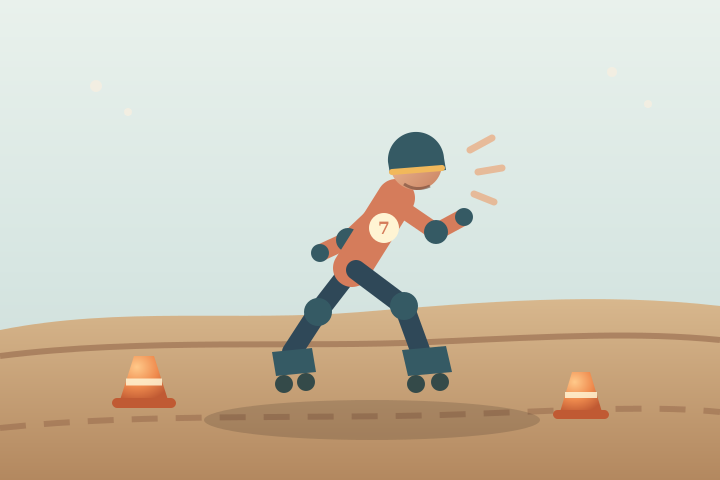 Roller Derby
Learn to skate, block, and score in roller derby — a full-contact team sport on quad skates where jammers lap opposing blockers to score, with local leagues running beginner programs.
- Difficulty
- 4 out of 5
- Cost
- 3 out of 5
- Space
- 5 out of 5
- Social
- 5 out of 5
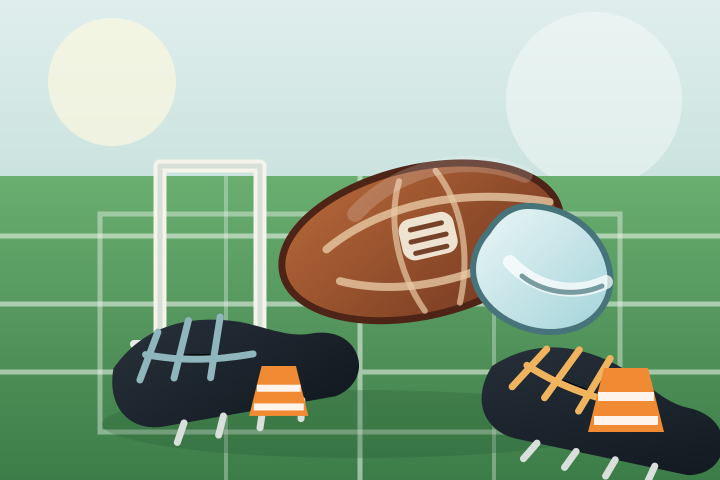 Rugby
Rugby is a fast team sport of passing an oval ball backwards, running support lines, and scoring tries by grounding the ball in the in-goal area. Build passing, catching, spacing, and safe contact through clubs, touch leagues, and coached sessions.
- Difficulty
- 4 out of 5
- Cost
- 3 out of 5
- Space
- 5 out of 5
- Social
- 5 out of 5
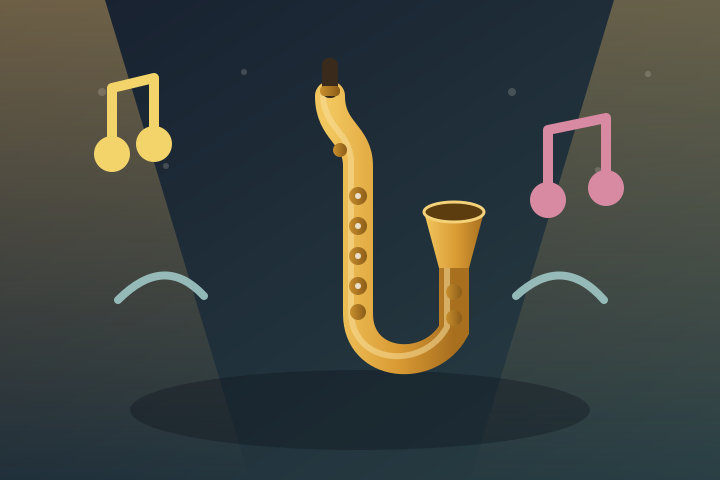 Saxophone
Learn breath control, a warm singing tone, and improvisation on a portable brass instrument that sits at the heart of jazz.
- Difficulty
- 4 out of 5
- Cost
- 4 out of 5
- Space
- 1 out of 5
- Social
- 4 out of 5
Springboard Diving
A springboard bends and rebounds as you take off. Learning to dive starts with smaller skills, often at the pool edge, where a coach can help you recognise a body shape and repeat an entry with control.
- Difficulty
- 4 out of 5
- Cost
- 3 out of 5
- Space
- 5 out of 5
- Social
- 4 out of 5
 Squash
Learn serves, drives, footwork, and court positioning in a fast four-walled racket game played with a small rubber ball.
- Difficulty
- 4 out of 5
- Cost
- 3 out of 5
- Space
- 5 out of 5
- Social
- 4 out of 5
Stand-Up Comedy
Write, test, and perform original jokes in front of live audiences while building timing, confidence, and stage presence.
- Difficulty
- 4 out of 5
- Cost
- 2 out of 5
- Space
- 1 out of 5
- Social
- 4 out of 5
 Trombone
Learn slide positions, breath control, and a warm, rich tone on a slide brass instrument that shines in bands, orchestras, and jazz.
- Difficulty
- 4 out of 5
- Cost
- 4 out of 5
- Space
- 2 out of 5
- Social
- 4 out of 5
 Trumpet
Learn embouchure, breath control, and bright fanfares on a B-flat brass instrument that shines in bands, orchestras, and jazz.
- Difficulty
- 4 out of 5
- Cost
- 4 out of 5
- Space
- 1 out of 5
- Social
- 4 out of 5
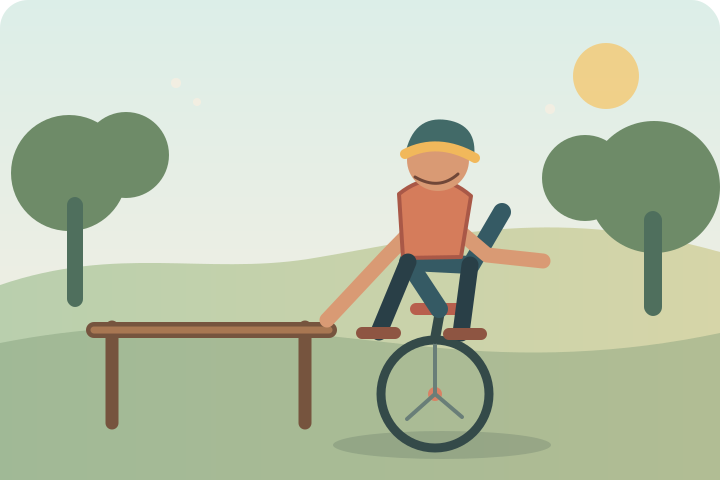 Unicycling
Ride a single wheel with no handlebars: learn to mount, balance, and pedal through short, patient sessions that build in small, visible milestones.
- Difficulty
- 4 out of 5
- Cost
- 3 out of 5
- Space
- 3 out of 5
- Social
- 3 out of 5
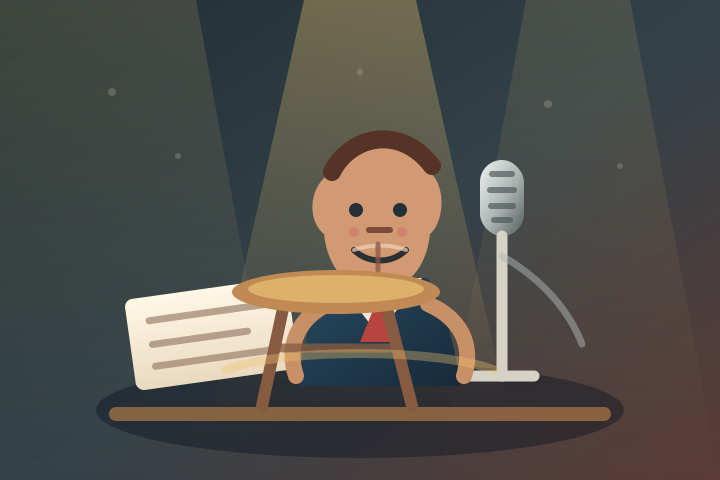 Ventriloquism
Bring a puppet, figure, or character to life by combining voice control, comedy, acting, timing, and audience interaction.
- Difficulty
- 4 out of 5
- Cost
- 2 out of 5
- Space
- 1 out of 5
- Social
- 4 out of 5
 Violin
Learn bow control, pitch, and rhythm on a four-string bowed instrument, from open strings to folk tunes and orchestral parts.
- Difficulty
- 4 out of 5
- Cost
- 3 out of 5
- Space
- 1 out of 5
- Social
- 3 out of 5
 French Horn
Learn embouchure, breath control, and mellow ensemble playing on a coiled F brass instrument at the heart of the orchestra.
- Difficulty
- 5 out of 5
- Cost
- 4 out of 5
- Space
- 1 out of 5
- Social
- 4 out of 5